
In 2020, when the world went quiet and we were all suddenly working from our kitchen tables, our family lost our amazing dog Rawley to an aggressive cancer called hemangiosarcoma. He was fourteen, and the house felt empty without him. A few months later we decided to adopt again, only to discover rescue dogs were disappearing almost as quickly as they were posted.
That's when we found The MexiMutt Project, a rescue in the Lake Chapala region outside Guadalajara, Mexico. We weren't chosen for the first dog we applied for so we applied for another, a dog named Trevor. Angela Adams, The MexiMutt Project's founder and director, called to talk it over, on what happened to be my birthday. A few weeks later our family of three was a family of four.
We renamed Trevor "Tito." Angela told us he'd been living on a rooftop with larger dogs that wouldn't let him eat or drink much, with no shade from the sun. After he fell and injured his leg, The MexiMutt Project rescued him, got him medical care, and matched him with us in Oregon.
Tito weighed just seven pounds when he arrived and was understandably anxious. Over the years he's grown into a confident, affectionate dog who trusts deeply once he gets to know you. Today he's a healthy 13½ pounds.
We'd hoped Tito would be a companion for our older dog, Oliver, but at sixteen, Oliver wasn't interested in puppy energy. Meanwhile I kept following the rescue's social media, where a litter of puppies rescued from a cardboard box in El Salto, Mexico, caught my attention. I couldn't stop thinking about the little blonde boy, Stewie.
I brought it up to my husband Steve. Repeatedly.
I finally asked Angela if he was still available. He was.
A few weeks later, Steve picked him up while I was away for work. On the drive home, the puppy fell asleep inside Steve's sweatshirt. It was love at first nap. We renamed him Ziggy, and he quickly became the biggest personality we'd ever had in a dog. Three dogs officially meant we were outnumbered, but it worked.
Sadly, we lost Oliver in 2023, but not before Tito and Ziggy brought so much joy and energy back into our home.
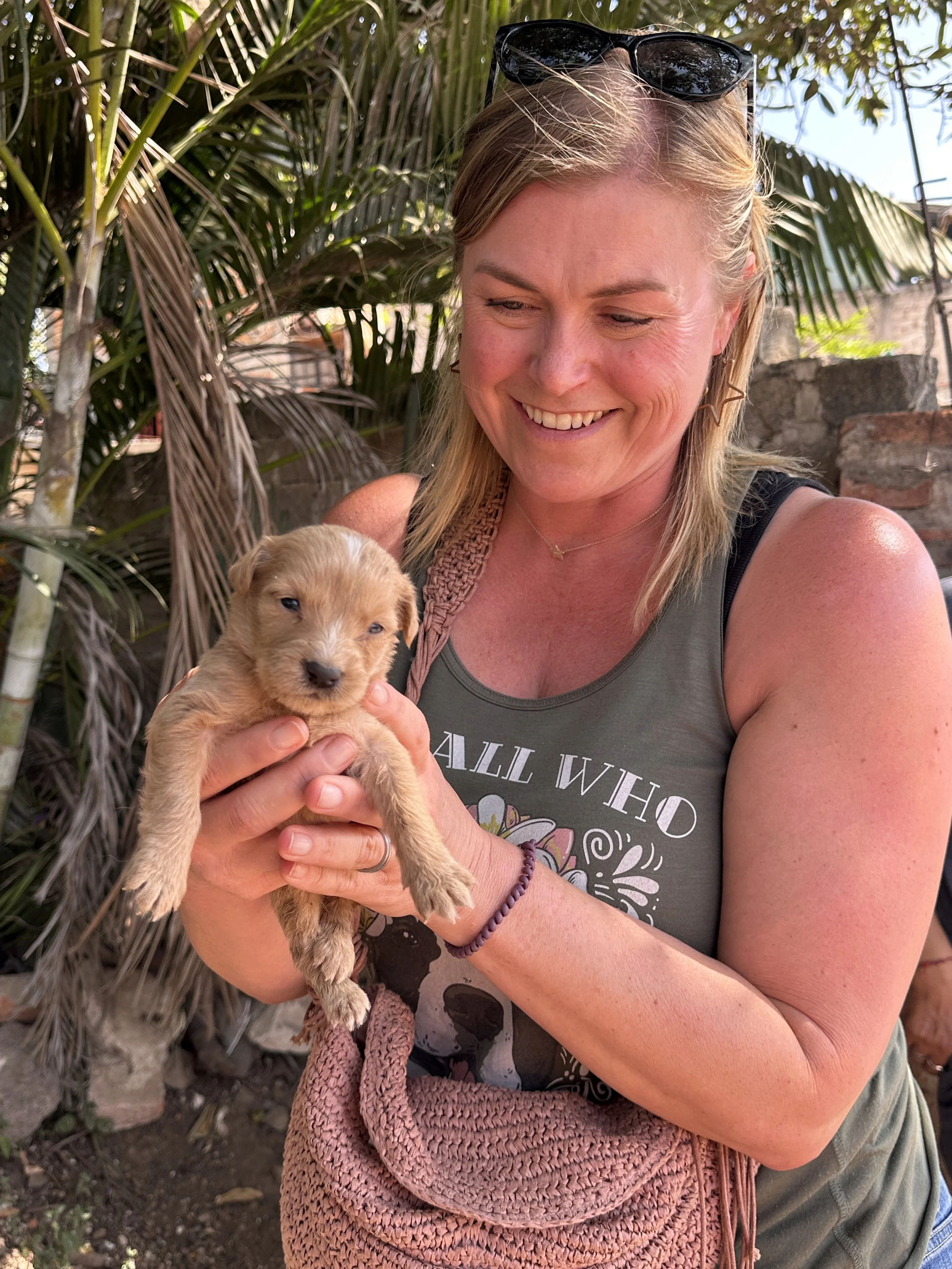
A couple of years later, Steve and I realized we hadn't taken a real vacation in a long time. We decided on Mexico, with a stop in Lake Chapala. Two four-legged members of our family came from that area and we had no idea what it was like. We stayed in Ajijic, on the north side of the lake, where The MexiMutt Project is based.
Lake Chapala and Ajijic are an absolutely lovely part of Mexico. If you ever find yourself there, Angela genuinely loves having visitors stop by to see the operation and learn about the work they're doing. It's a chance to see firsthand how much of a difference a small, dedicated rescue can make.
Their mission is to help the small rural communities around Lake Chapala — and their dogs. They drive through the towns and get to know the locals, many of whom can't afford to feed their dogs or pay for medical care. They treat fleas, ticks, mange, and parasites on the spot. They find dogs who haven't been spayed or neutered and provide that service one at a time, working to stop the cycle of unwanted puppies. They treat the sick and injured, and offer humane euthanasia to the ones too far gone to help.
Angela and her volunteer, Mayra, took Steve and me along to the small town of Mezcala. We stopped in several spots, and it was clear the locals knew help had arrived. So did the dogs. They came running.
Angela and Mayra spotted the ones who needed skin and parasite treatment and dosed them right there. They fed dogs on the spot, and people came out with buckets and bags to fill so they could feed their own dogs later.
They checked on animals they'd treated on earlier visits. They were proud to tell us how many of the dogs in the area had already been spayed and neutered over the past couple of years, and they'd built enough trust with the locals to get the remaining ones onto the waitlist. They never ask for anything in return.
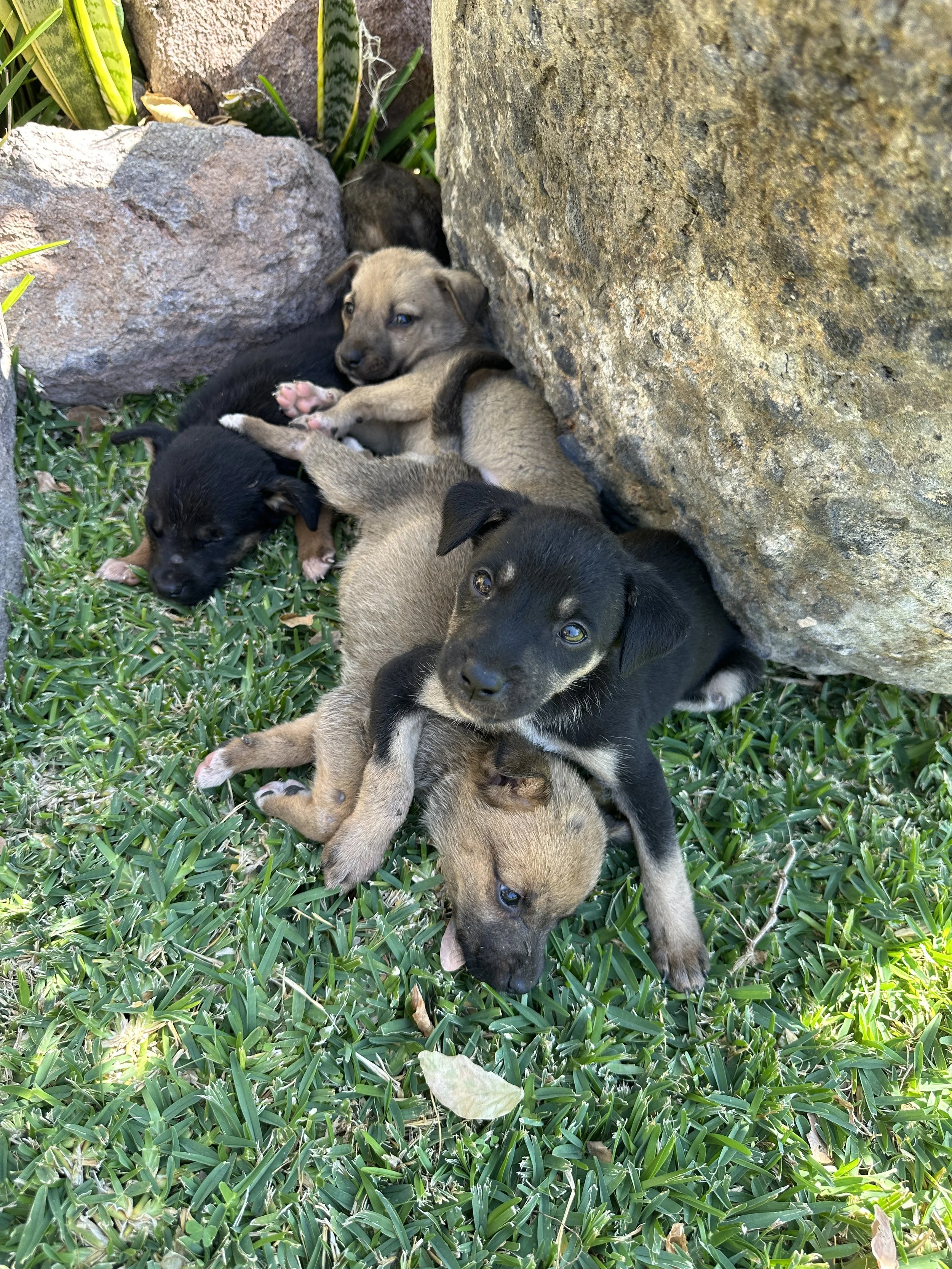
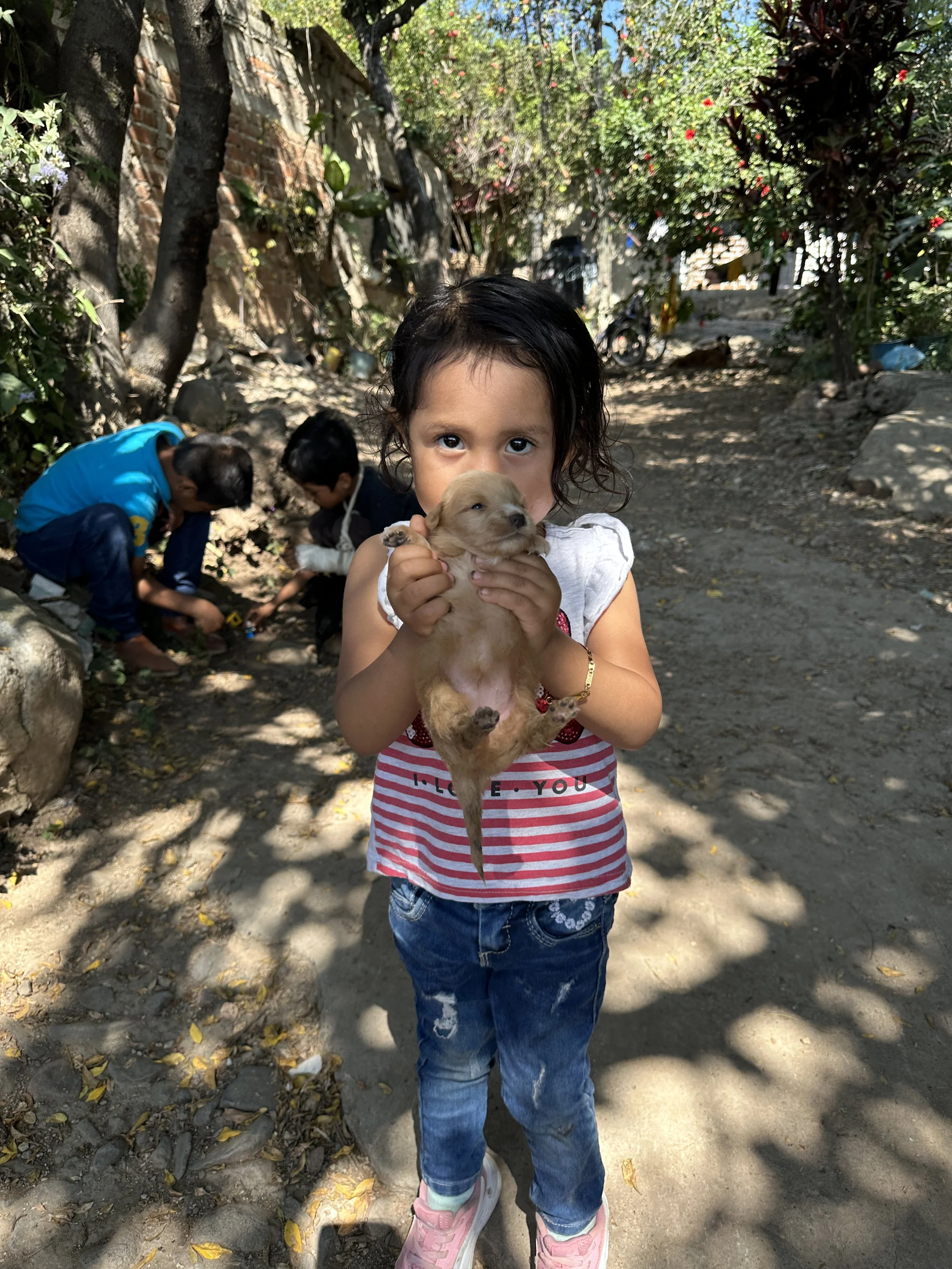
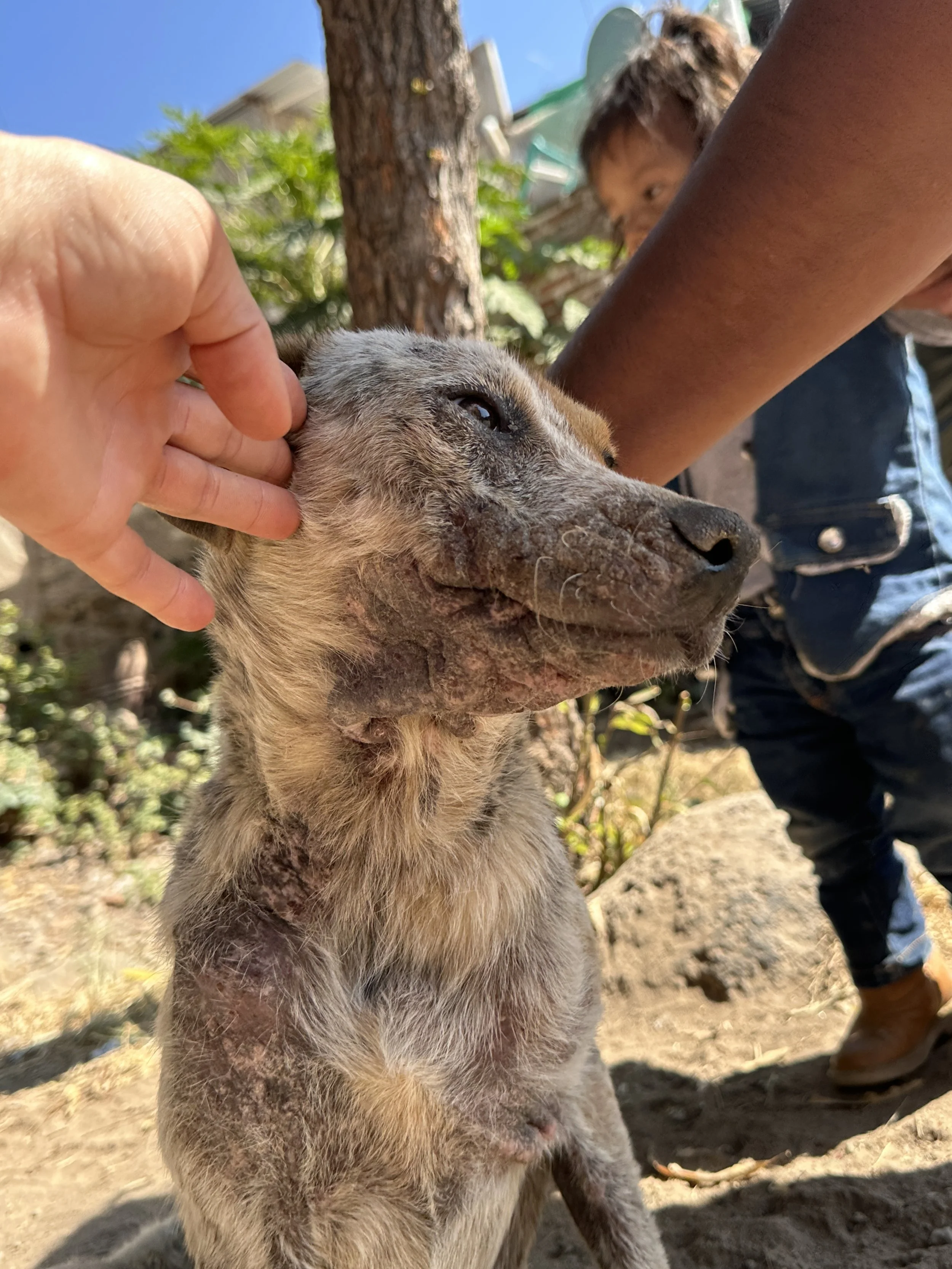
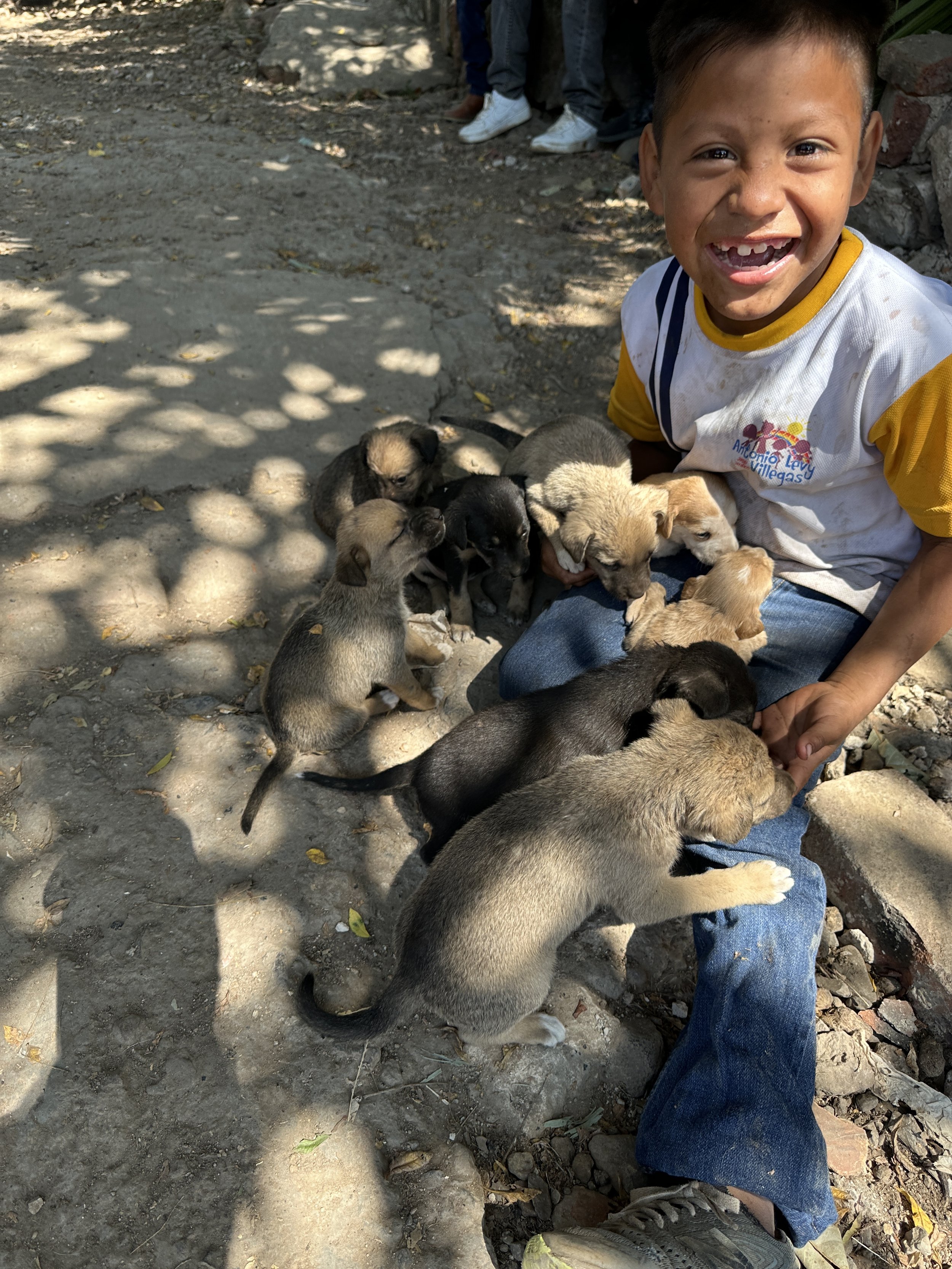
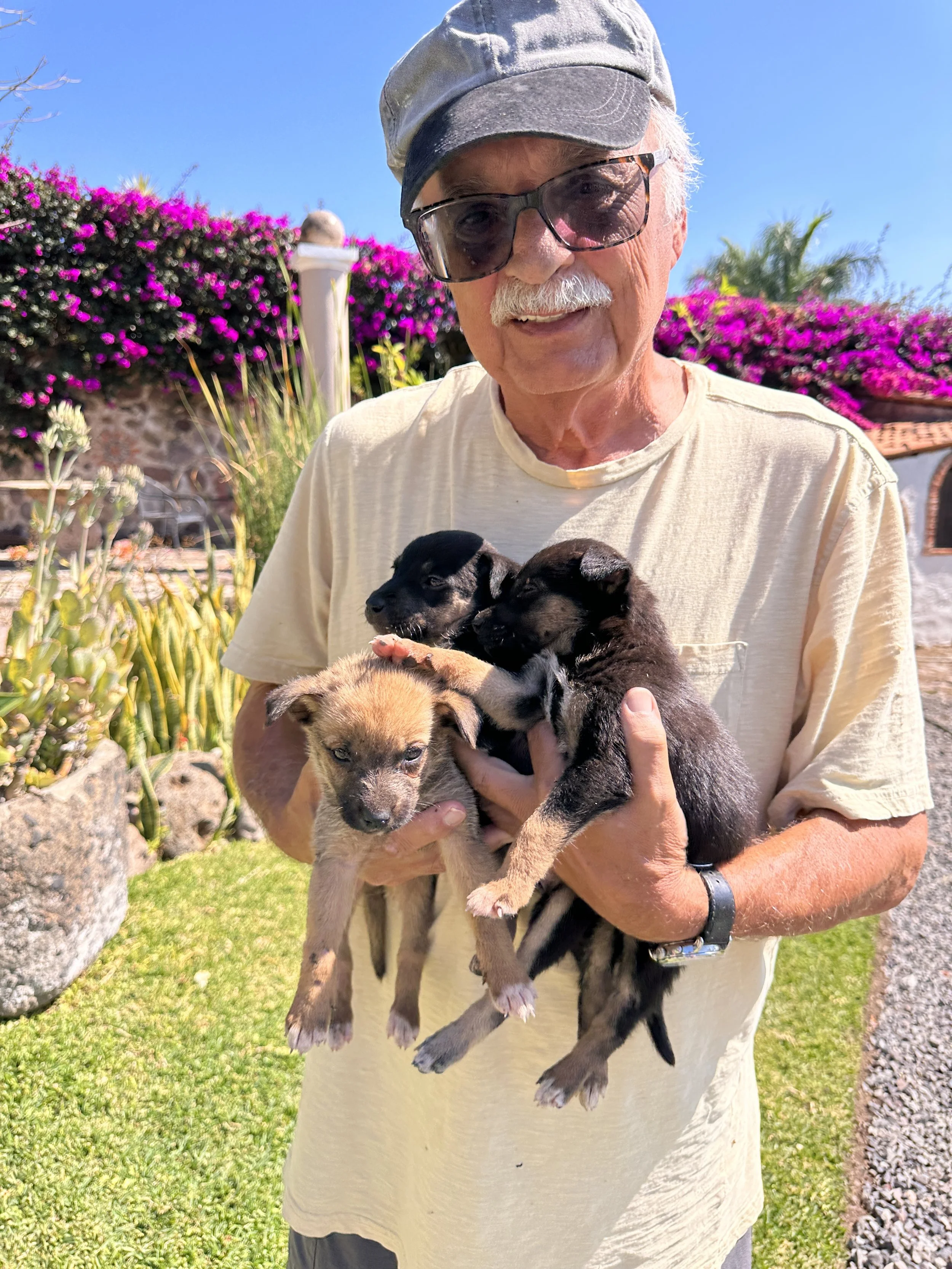
Over four or five hours we fed sixty or more dogs. Angela and Mayra treated a dozen for skin and parasite issues. They identified one dog with TVT, an aggressive and contagious transmissible venereal tumor, that they'd come back for in a few days when they didn't have other dogs in the vehicle. We picked up four dogs to be spayed and one emaciated, sick dog who needed treatment.
We also came across three litters of puppies — four, eleven, and four. There were no fosters available anywhere in The MexiMutt Project's network, so none of them could be taken in. Mayra got visibly emotional. She has worked so hard to spay and neuter as many dogs as she can, and these had fallen through the cracks. The litter of eleven had been weaned, but their mother was gone, which made them terribly vulnerable to disease. Without shelter and medical care, their chances were slim. It's awful, but many of them won't make it. That's the reality.
We got lucky with that litter. The hosts of the Airbnb we were staying in actively help other rescues in the area, and when I mentioned the eleven puppies, they said they had the space and would take them. Without that, those pups would have had almost no chance.
I was brought to tears more than once that day. The MexiMutt Project is a wonderful organization doing profound and selfless work. They house fifteen dogs in their main facility, many more in foster homes, all of it run by volunteers on small donations from individuals. I'm so grateful I got to see it firsthand, and so, so grateful that Tito and Ziggy were among the lucky ones who found their way home to us.