
A Journey of Compassion: Volunteering with The MexiMutt Project
In this post we share the story of our adopter and volunteer Heather, who came down to Mexico to volunteer in-person with us.
My Journey Began with Checo
My connection with the MexiMutt Project began long before I became a volunteer. I adopted my dog, Checo, through MexiMutt, and bringing him into my family changed my life. Seeing the love and care that went into rescuing him inspired me to return to Chapala—not just as an adopter, but as a volunteer. I wanted to give back to the organization that had already given me so much.
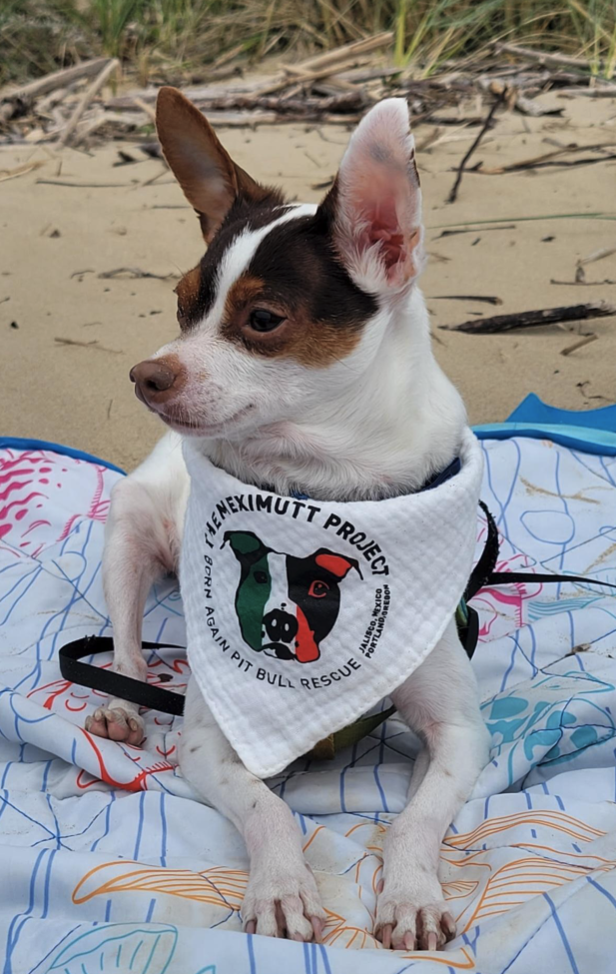
Meet Checo, Heather’s adorable MexiMutt
Feeding the Forgotten
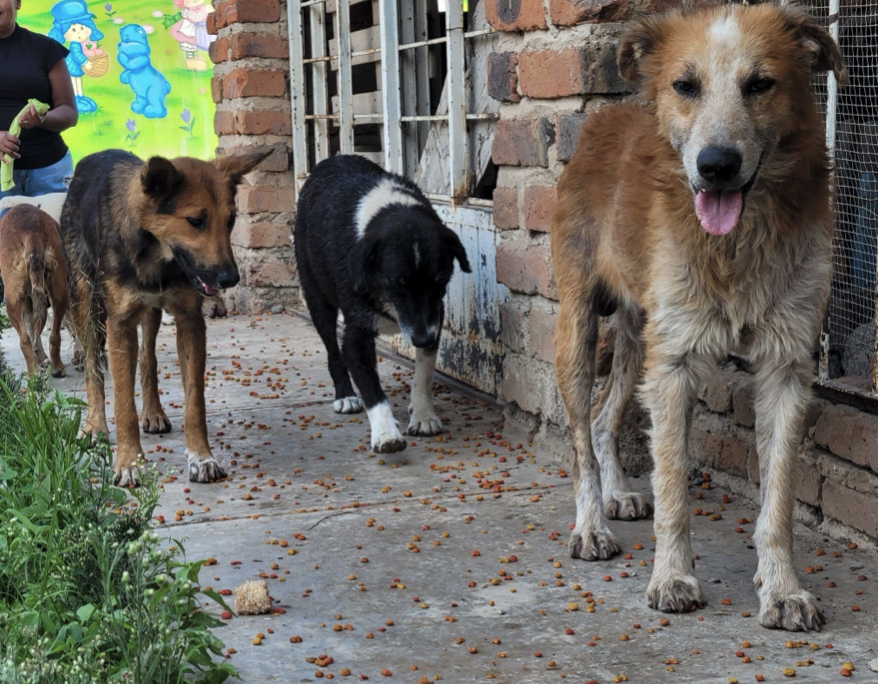
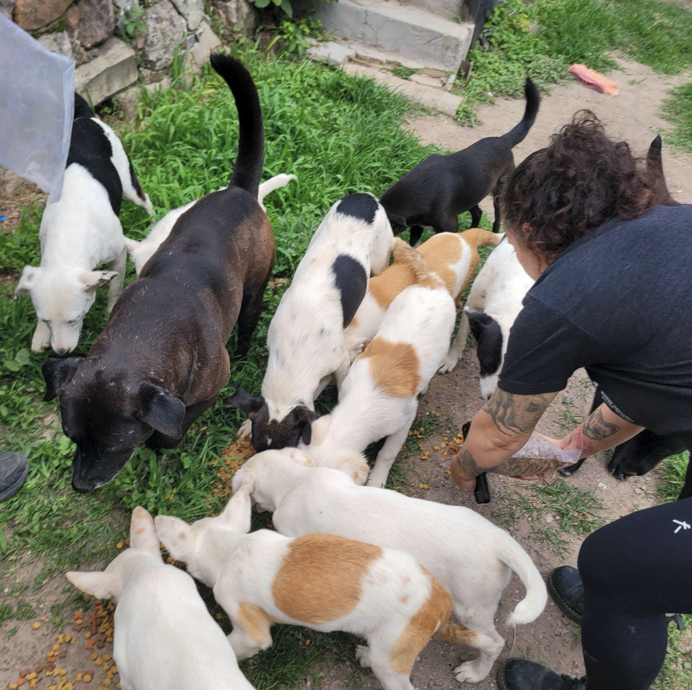
One of the opportunities I got to participate in was traveling through the villages surrounding Chapala to feed street dogs. Many had no reliable source of food and depended on the kindness of volunteers.
Watching these dogs patiently wait for a meal reminded me that something as simple as food can mean the difference between hunger and hope. Their grateful eyes and wagging tails spoke louder than words.
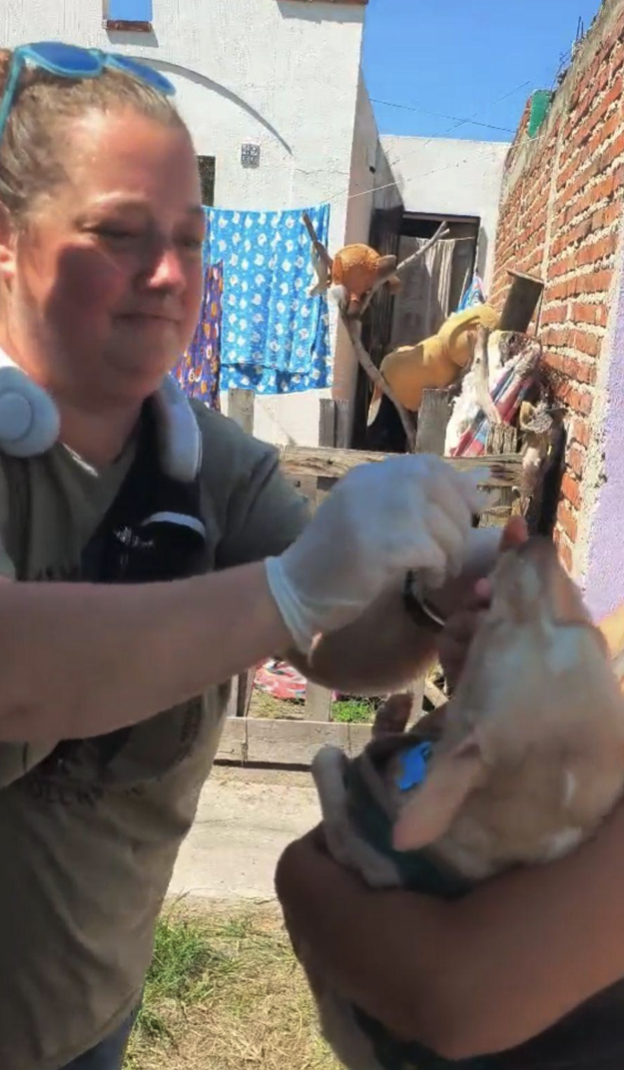
As the dogs gathered to eat, we administered flea and tick medication. It was incredible to see how a simple treatment could bring immediate relief from the parasites that caused constant discomfort.
Serving these animals reminded me that compassion isn't always found in grand gestures. Sometimes it's found in kneeling beside a frightened dog, offering gentle hands, food, and care.
Hope in Unexpected Places
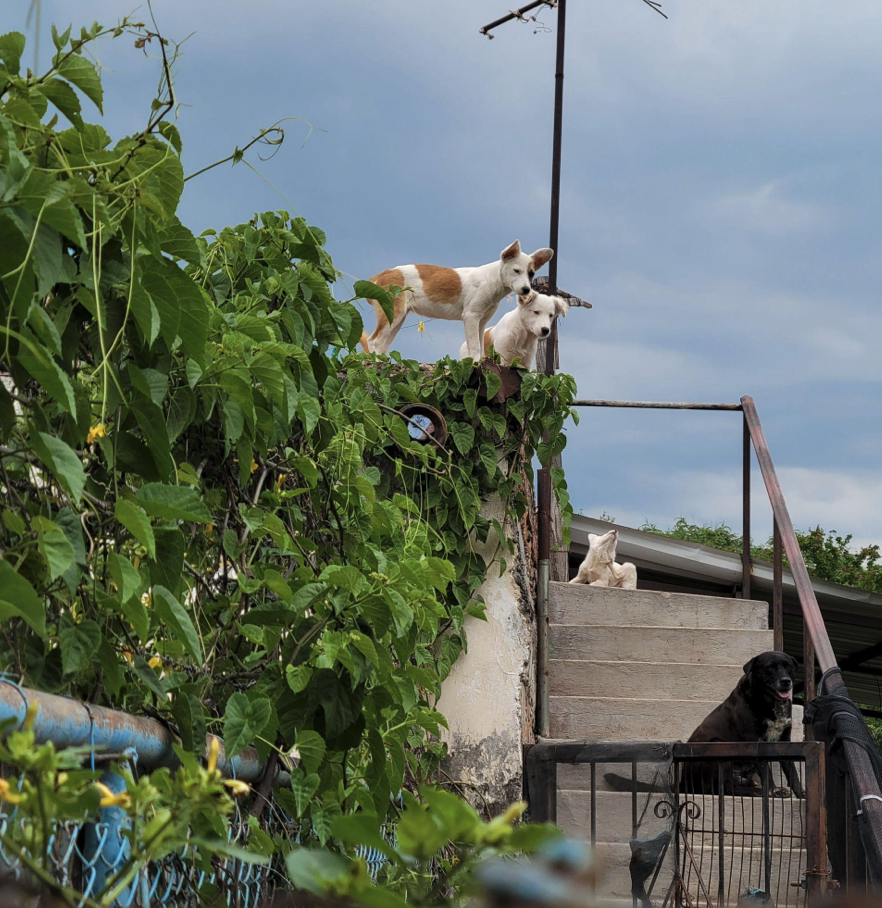
One image that stayed with me was seeing puppies looking down from a rooftop while another dog waited below.
Even in difficult conditions, there was still curiosity, resilience, and hope. It reminded me that every dog deserves the chance to grow up healthy, loved, and safe.
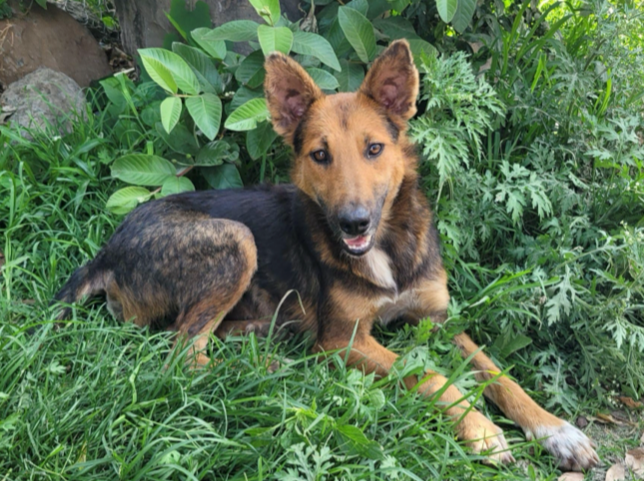
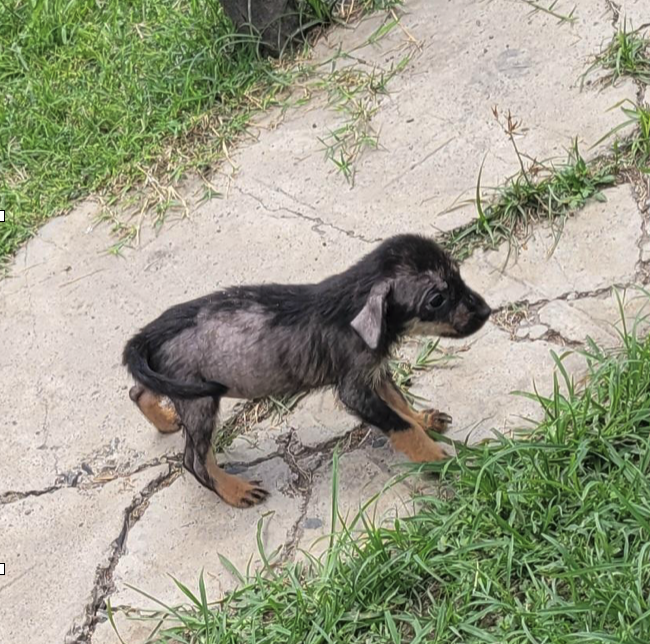
This young dog captured my heart. Despite living without certainty about where the next meal would come from, there was still gentleness and trust in those eyes.
Moments like this reminded me why organizations like MexiMutt are so important. Every rescue begins with someone believing that one life is worth saving.
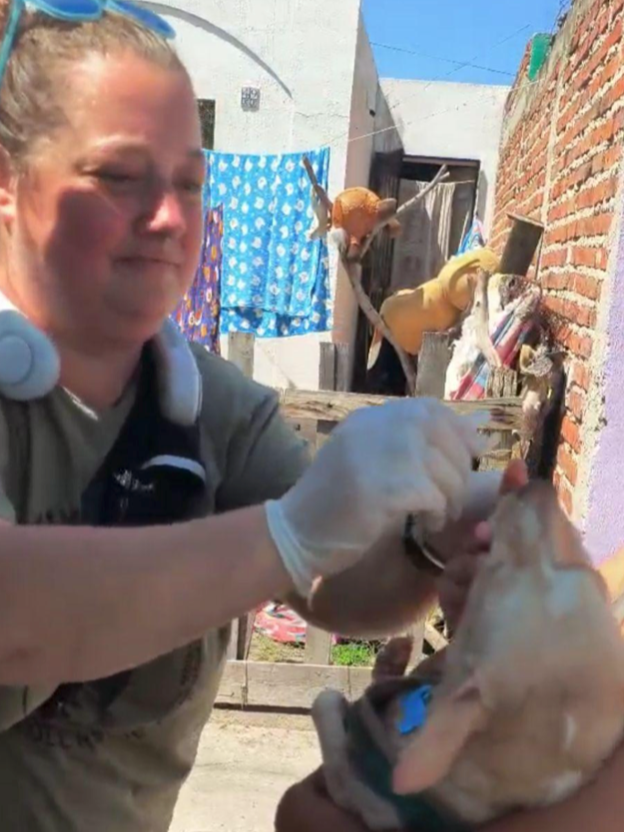
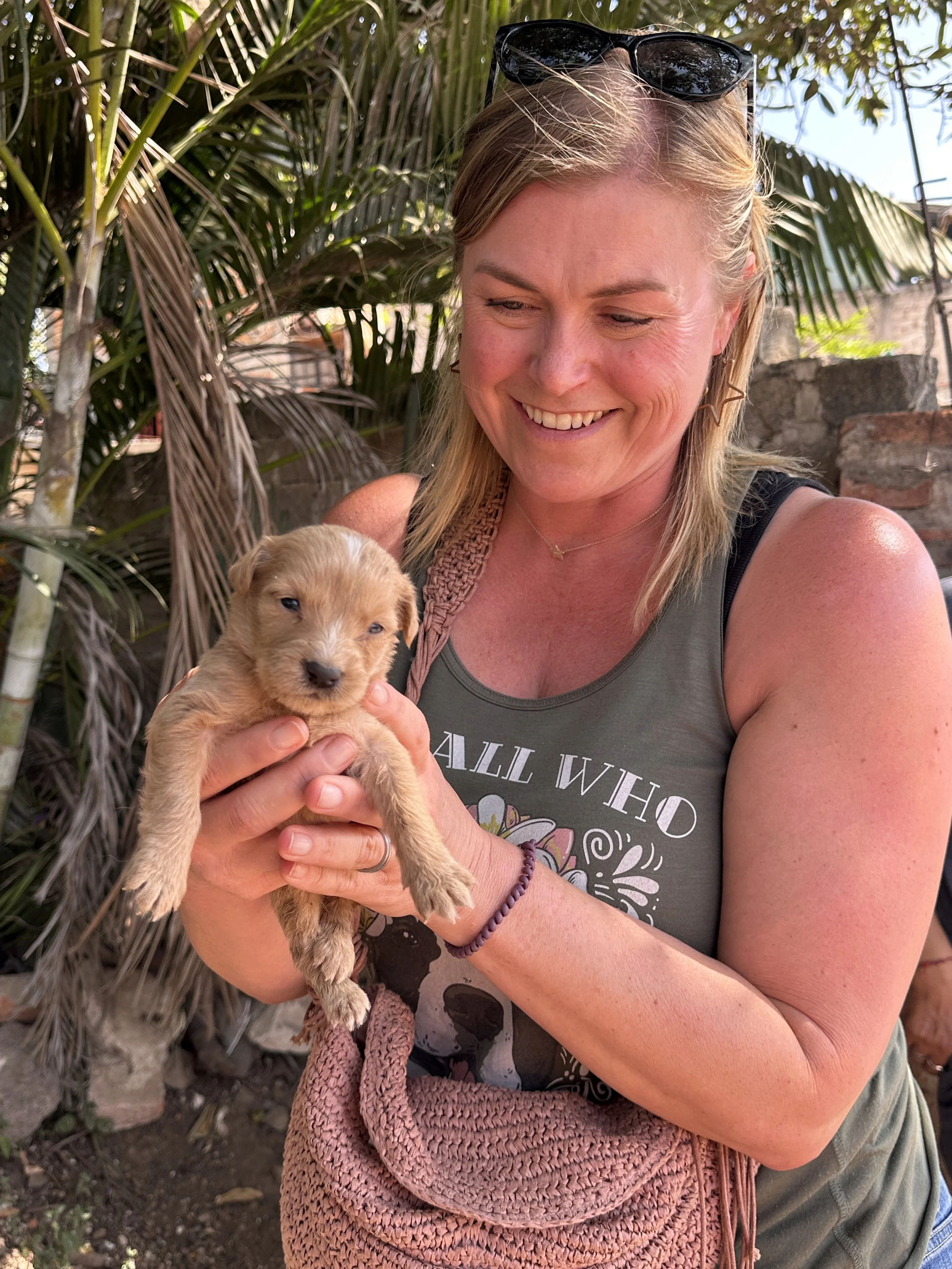
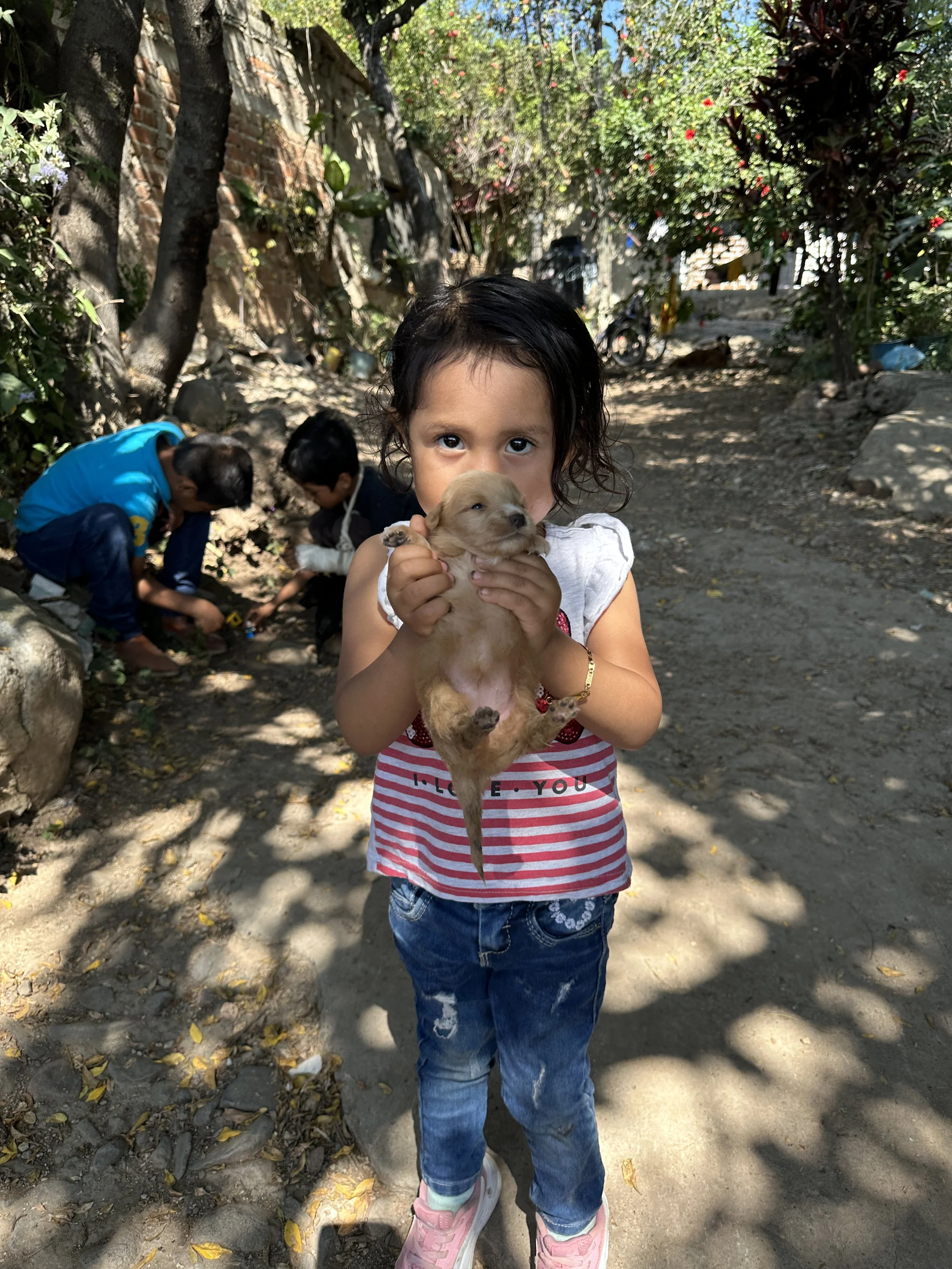
One of the most meaningful moments for me was helping treat this tiny puppy. Holding such a small, vulnerable life reminded me that even the smallest acts of kindness can have a lasting impact.
As I gave flea and tick medication, I couldn't help but think about Checo and how his life was forever changed because someone cared enough to rescue him.
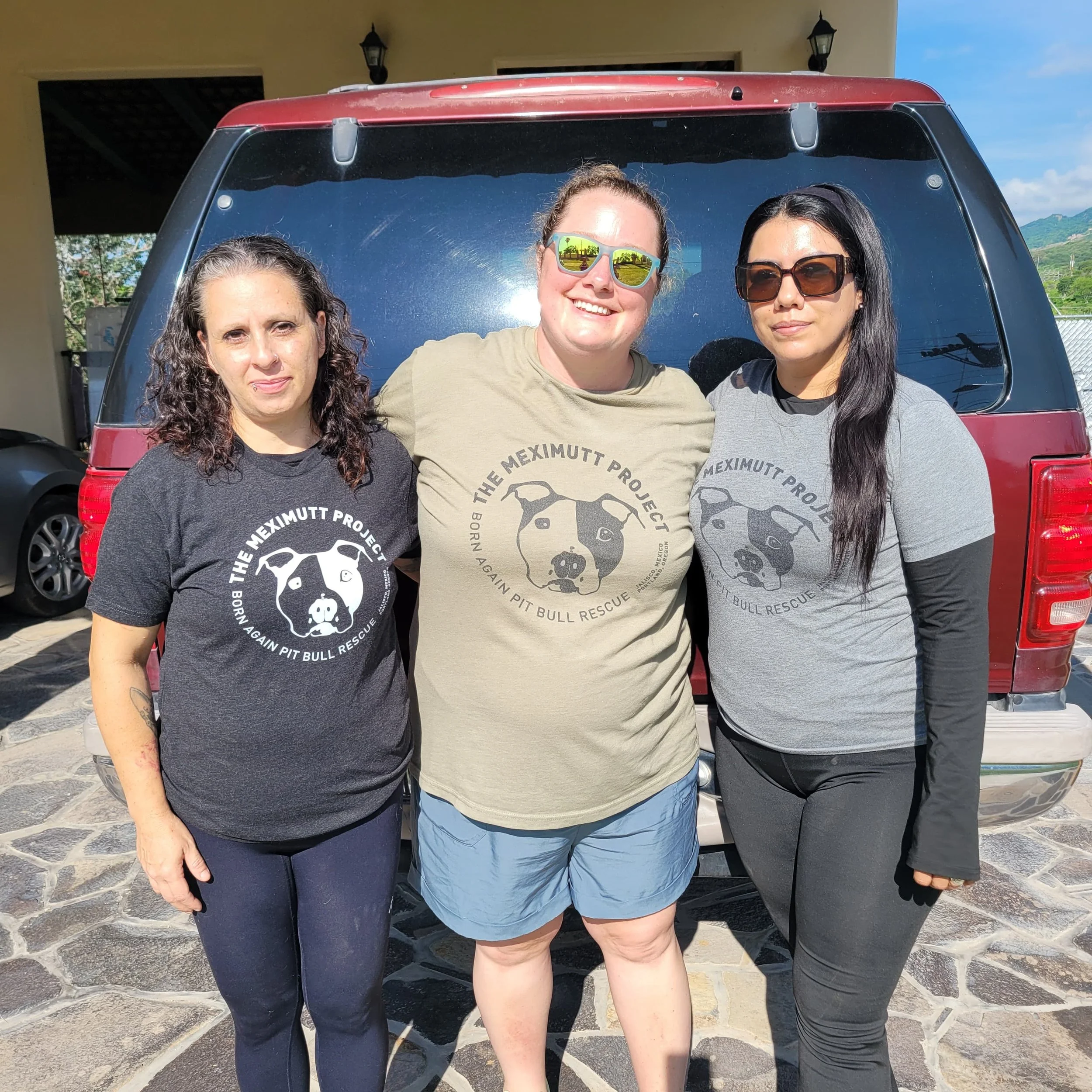
What I Learned
Volunteering with the MexiMutt Project gave me a deeper appreciation for service and compassion. Having first experienced the joy of adopting Checo, I was able to witness the tireless work that happens behind the scenes to rescue, feed, and care for countless animals that so many people overlook.
This experience reminded me that compassion knows no borders. Whether human or animal, every living creature deserves dignity, kindness, and love. Even if you don’t have the means to volunteer like I did, your donation to Meximutt can change lives and provide the food, medication, and medical care that dogs like these need.
Lindsay and Steve Followed Their Dogs' Story Back to Mexico
In 2020, when the world went quiet and we were all suddenly working from our kitchen tables, our family lost our amazing dog Rawley to an aggressive cancer called hemangiosarcoma. He was fourteen, and the house felt empty without him. A few months later we decided to adopt again, only to discover rescue dogs were disappearing almost as quickly as they were posted.
That's when we found The MexiMutt Project, a rescue in the Lake Chapala region outside Guadalajara, Mexico. We weren't chosen for the first dog we applied for so we applied for another, a dog named Trevor. Angela Adams, The MexiMutt Project's founder and director, called to talk it over, on what happened to be my birthday. A few weeks later our family of three was a family of four.
We renamed Trevor "Tito." Angela told us he'd been living on a rooftop with larger dogs that wouldn't let him eat or drink much, with no shade from the sun. After he fell and injured his leg, The MexiMutt Project rescued him, got him medical care, and matched him with us in Oregon.
Tito weighed just seven pounds when he arrived and was understandably anxious. Over the years he's grown into a confident, affectionate dog who trusts deeply once he gets to know you. Today he's a healthy 13½ pounds.
We'd hoped Tito would be a companion for our older dog, Oliver, but at sixteen, Oliver wasn't interested in puppy energy. Meanwhile I kept following the rescue's social media, where a litter of puppies rescued from a cardboard box in El Salto, Mexico, caught my attention. I couldn't stop thinking about the little blonde boy, Stewie.
I brought it up to my husband Steve. Repeatedly.
I finally asked Angela if he was still available. He was.
A few weeks later, Steve picked him up while I was away for work. On the drive home, the puppy fell asleep inside Steve's sweatshirt. It was love at first nap. We renamed him Ziggy, and he quickly became the biggest personality we'd ever had in a dog. Three dogs officially meant we were outnumbered, but it worked.
Sadly, we lost Oliver in 2023, but not before Tito and Ziggy brought so much joy and energy back into our home.
A couple of years later, Steve and I realized we hadn't taken a real vacation in a long time. We decided on Mexico, with a stop in Lake Chapala. Two four-legged members of our family came from that area and we had no idea what it was like. We stayed in Ajijic, on the north side of the lake, where The MexiMutt Project is based.
Lake Chapala and Ajijic are an absolutely lovely part of Mexico. If you ever find yourself there, Angela genuinely loves having visitors stop by to see the operation and learn about the work they're doing. It's a chance to see firsthand how much of a difference a small, dedicated rescue can make.
Their mission is to help the small rural communities around Lake Chapala — and their dogs. They drive through the towns and get to know the locals, many of whom can't afford to feed their dogs or pay for medical care. They treat fleas, ticks, mange, and parasites on the spot. They find dogs who haven't been spayed or neutered and provide that service one at a time, working to stop the cycle of unwanted puppies. They treat the sick and injured, and offer humane euthanasia to the ones too far gone to help.
Angela and her volunteer, Mayra, took Steve and me along to the small town of Mezcala. We stopped in several spots, and it was clear the locals knew help had arrived. So did the dogs. They came running.
Angela and Mayra spotted the ones who needed skin and parasite treatment and dosed them right there. They fed dogs on the spot, and people came out with buckets and bags to fill so they could feed their own dogs later.
They checked on animals they'd treated on earlier visits. They were proud to tell us how many of the dogs in the area had already been spayed and neutered over the past couple of years, and they'd built enough trust with the locals to get the remaining ones onto the waitlist. They never ask for anything in return.
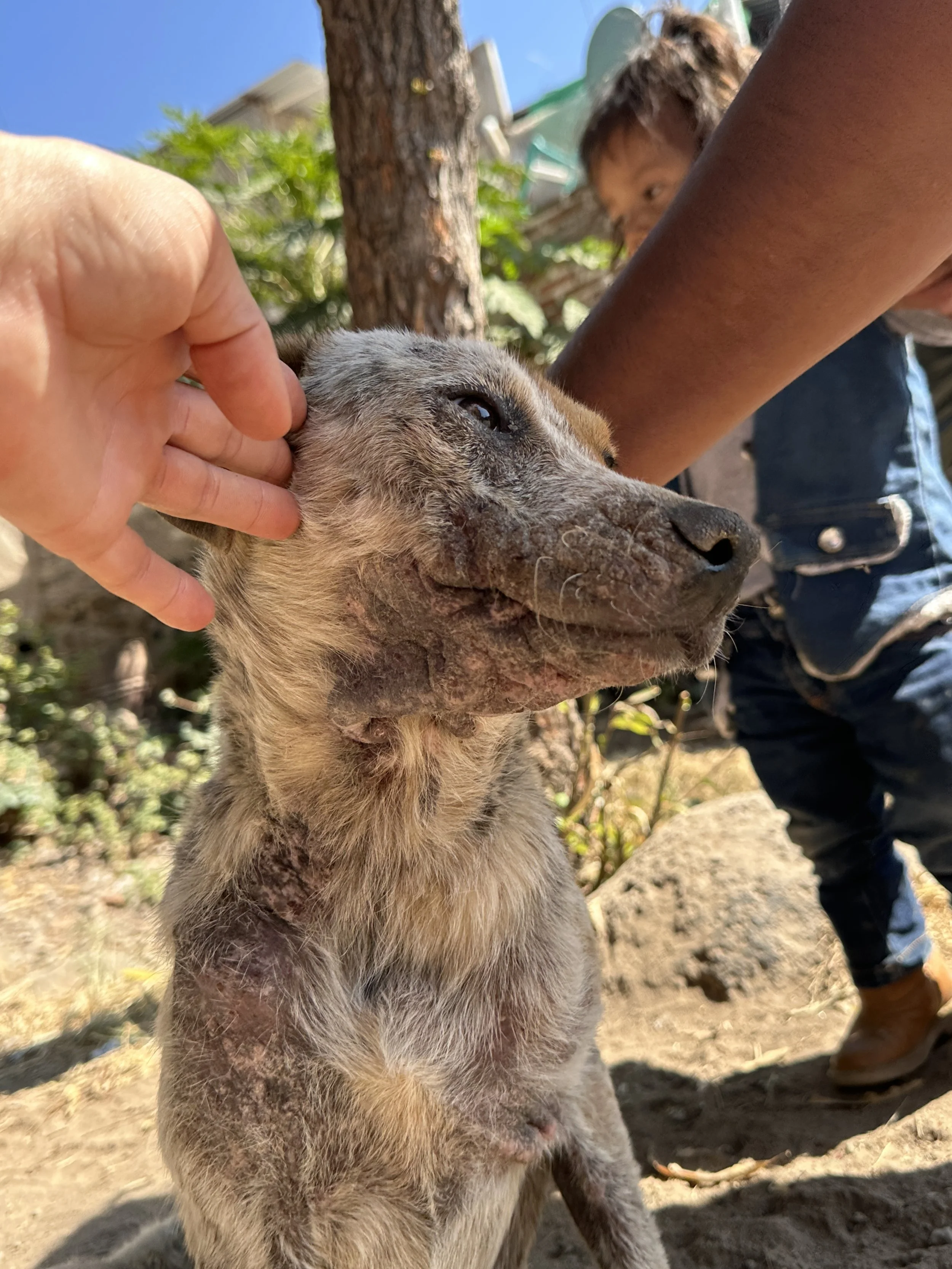
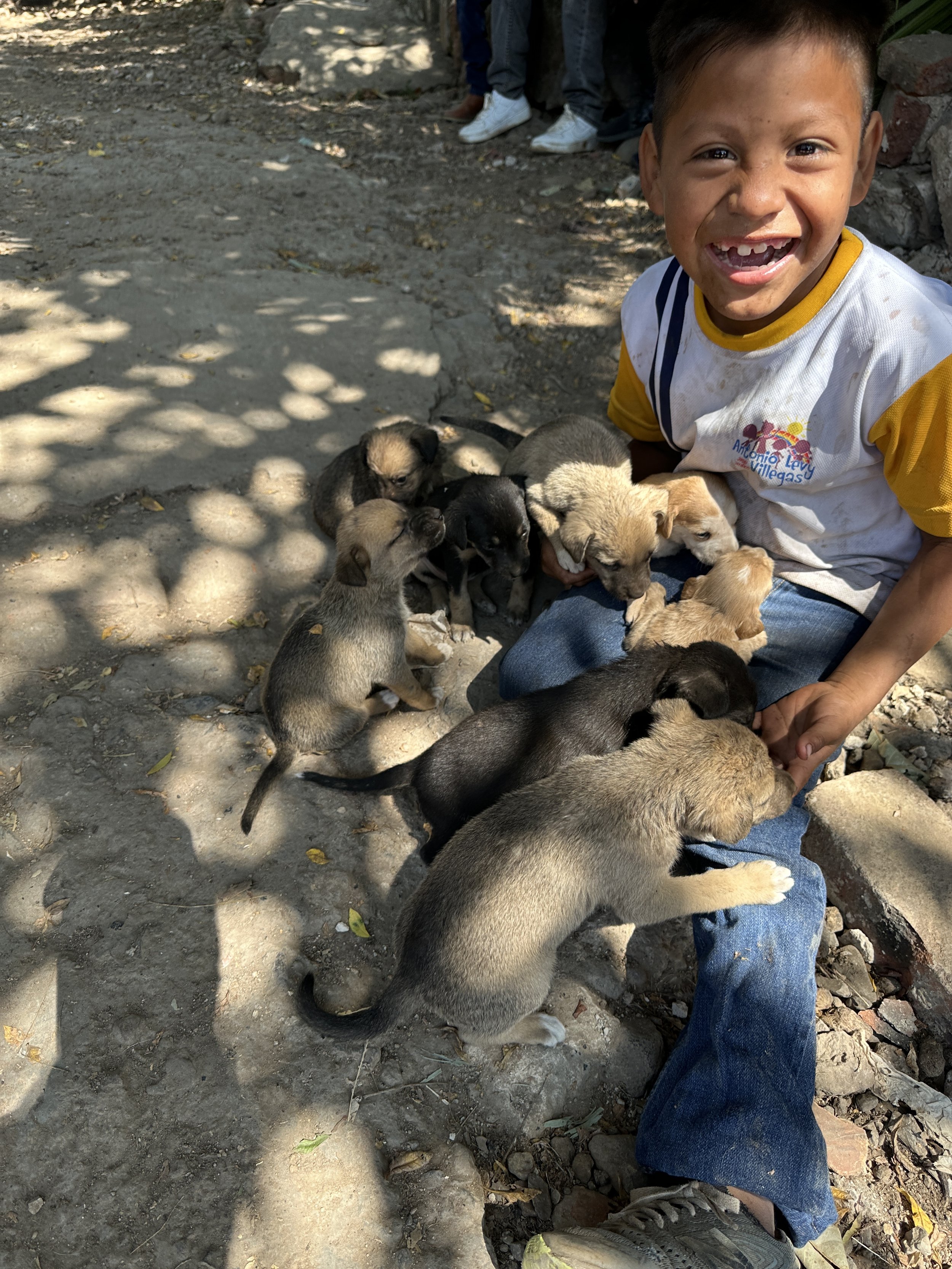
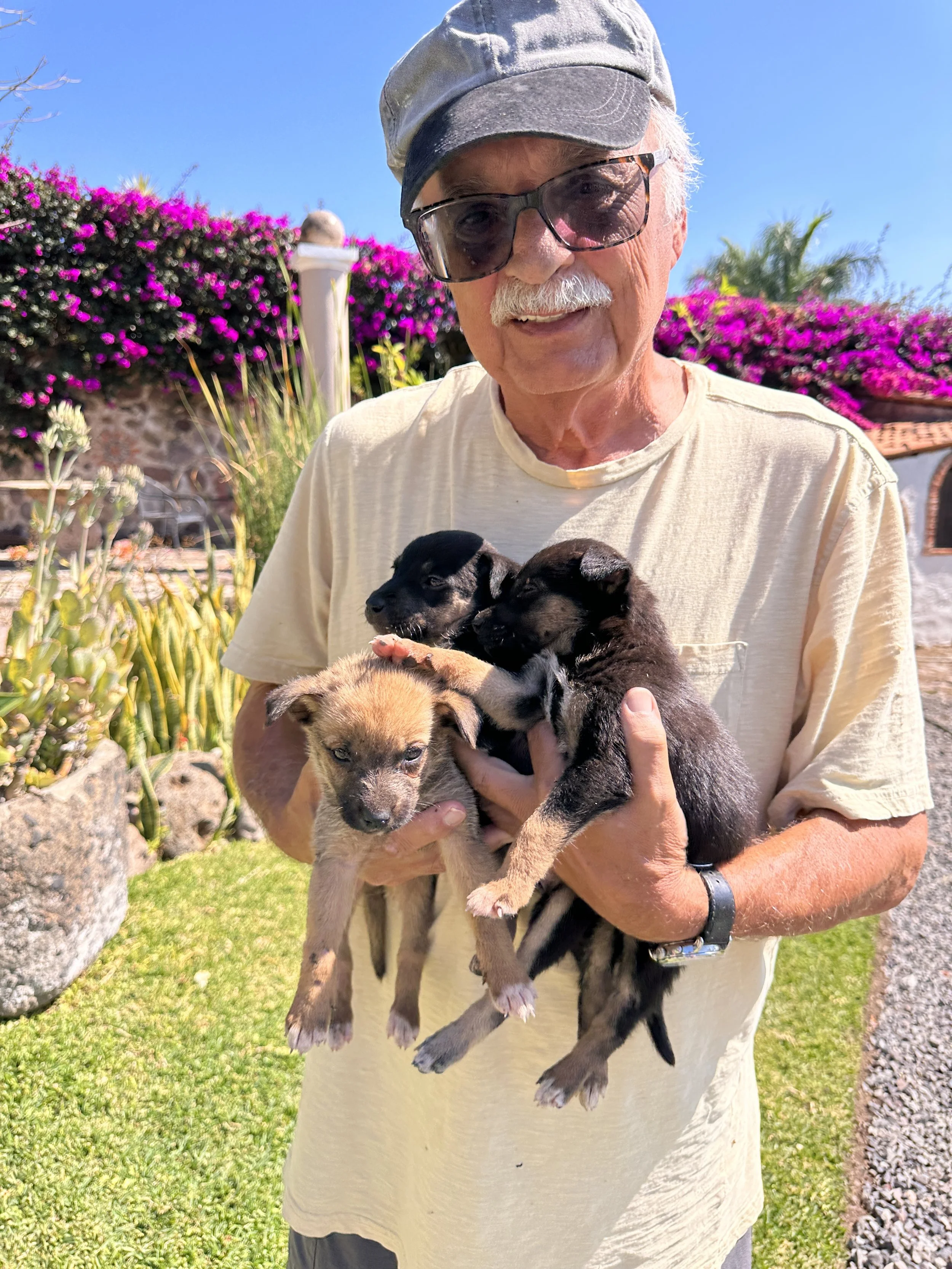
Over four or five hours we fed sixty or more dogs. Angela and Mayra treated a dozen for skin and parasite issues. They identified one dog with TVT, an aggressive and contagious transmissible venereal tumor, that they'd come back for in a few days when they didn't have other dogs in the vehicle. We picked up four dogs to be spayed and one emaciated, sick dog who needed treatment.
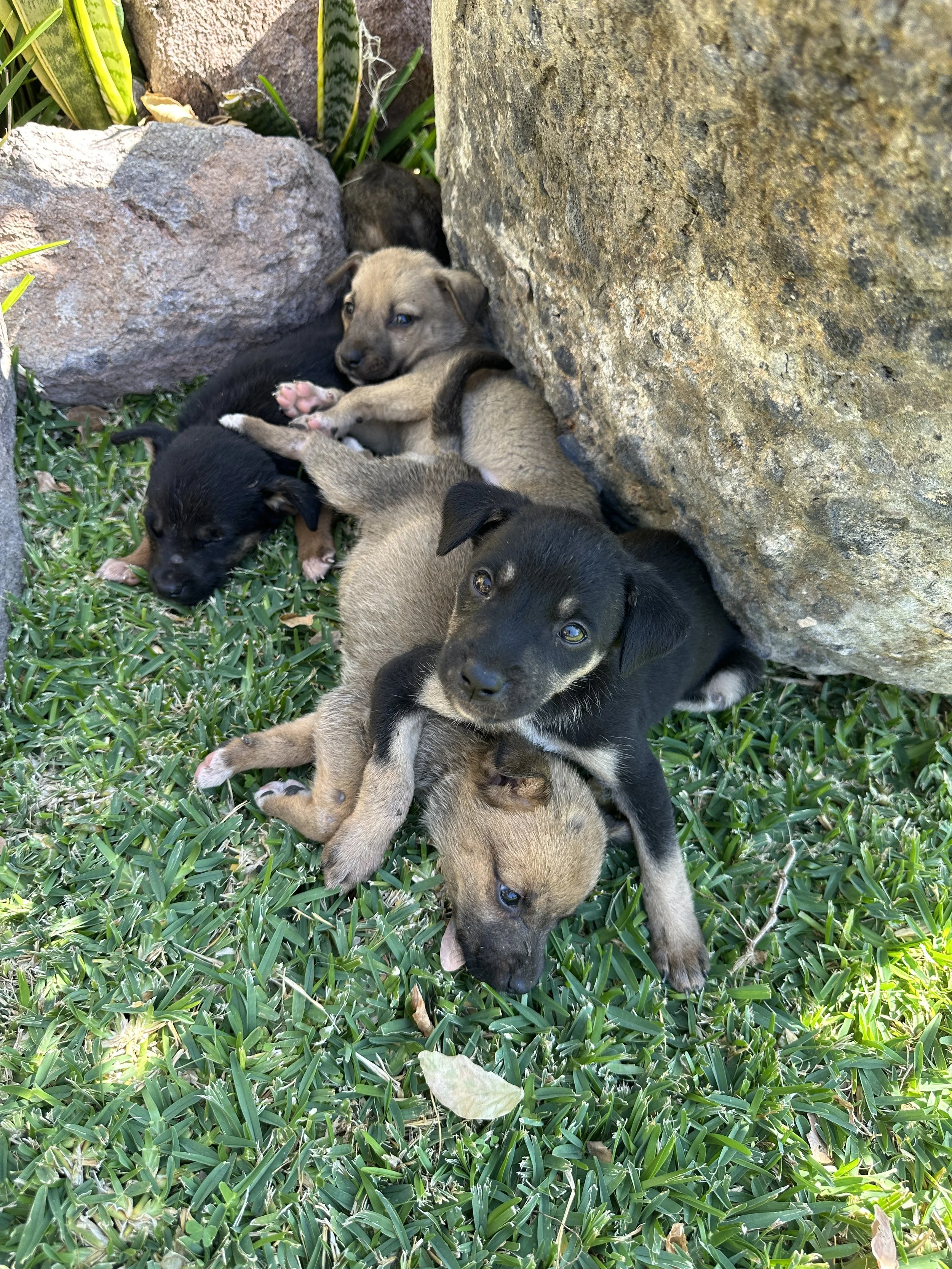
We also came across three litters of puppies — four, eleven, and four. There were no fosters available anywhere in The MexiMutt Project's network, so none of them could be taken in. Mayra got visibly emotional. She has worked so hard to spay and neuter as many dogs as she can, and these had fallen through the cracks. The litter of eleven had been weaned, but their mother was gone, which made them terribly vulnerable to disease. Without shelter and medical care, their chances were slim. It's awful, but many of them won't make it. That's the reality.
We got lucky with that litter. The hosts of the Airbnb we were staying in actively help other rescues in the area, and when I mentioned the eleven puppies, they said they had the space and would take them. Without that, those pups would have had almost no chance.
I was brought to tears more than once that day. The MexiMutt Project is a wonderful organization doing profound and selfless work. They house fifteen dogs in their main facility, many more in foster homes, all of it run by volunteers on small donations from individuals. I'm so grateful I got to see it firsthand, and so, so grateful that Tito and Ziggy were among the lucky ones who found their way home to us.

A day in the life of a Meximutt Project volunteer
This post was written by Lisa Burton, a volunteer for the Meximutt Project and loving mom to two of her very own Meximutts.
I have known Angela Adams, founder of Born Again Pit Bull Rescue and The MexiMutt Project for a few years now. I have fostered dogs for her before and adopted from her rescue. We became friends and connected through dog rescue, and we talked 4-5 days/week after she moved to Mexico to volunteer with her non profit organization “The MexiMutt Project”. 18 months ago, Angela quit her job as a CNA, rented out her house in Oregon, refinanced her house in Oregon and took out an equity loan to have money to live on while volunteering in Mexico to help the dogs and people. Angela does not get paid to do this hard work.
She would tell me about her struggles throughout the day and how exhausted and sleep deprived she was and how she couldn’t keep doing it on her own. She has a few volunteers locally, in Mexico, that are a huge part of the rescue and the work they do around Guadalajara/Chapala area.
A few months ago, Angela asked me if I could come down and fly dogs back for her because she didn’t have time to do it. So, I flew down and spent 4 days with her and then flew back with her 5 MexiMutt foster dogs that were to be adopted out to families in Oregon waiting for them. (The rescue can only afford to fly 5 dogs a month for adoption, plus their main purpose is spay and neuter in Mexico, as they will never be able to adopt their way out of the overpopulation. Sterilization is the only answer.)
Again, Angela and I talked quite often prior to me visiting and she would give me details of her day, but I had NO idea what she REALLY did until I went down and saw it for myself.

Angela starts her day off, in the very early morning, by letting dogs out of their play areas and cleaning the kennels. The dogs are separated into different areas throughout the house whether it be for quarantine, dogs that play well together or don’t, age differences, young puppies, new mama with babies, or medical/health issues that need to be away from other dogs, etc. Having them separated into groups is very time consuming. Also, being very cognizant of washing/sanitizing food bowls, shoes, clothes, hands before entering the next group to prevent spreading kennel cough or any other issues she may be dealing with is very time consuming. Angela makes sure the dogs are not in their kennels for any longer than necessary during the day. She is so busy but does her absolute best to make sure the dogs in foster are living their best life.
Then she sorts all the dog food and medication. Each dog is tested for multiple diseases when they come into the rescue and they go into quarantine to be sure not to spread to other dogs. A lot of the things they test for can be treated with antibiotic pills—but when you have 15 dogs in foster and 9 of them are on different pills at different times, it can be very hard to keep track of who needs what- especially when one dog needs 1/3 of a pill and the other dog needs ½ of a pill. It’s just very time consuming.
At this point in the morning, Angela has cleaned all the kennels, let all the dogs out, fed the dogs, given medication, cleaned water bowls, and she still hasn’t eaten herself!
After doing all that in the morning, it was 9:30am and it’s time to meet her volunteer, Mayra, who speaks Spanish, so we can go feed street dogs. We dropped one dog off at the vet to get test ran, and then bought 15 bags of dog food to feed the street dogs and to give some bags to caring locals who look after some packs of dogs.
On this trip, I learned that nothing ever goes as planned. While feeding street dogs we found a dog who had a bad puncture wound in his foot that was so swollen and painful. We were about to load that dog up when the local brought another dog that has its muscles and leg ripped apart by 2 large dogs. It had happened the week prior and was incredibly infected and its bones were sticking out of its leg. I was sick to my stomach. We dropped everything we were doing and loaded the dogs up and took them to the vet immediately.
After going back into town and dropping the dog off, we went back out on the streets to feed the dogs. We drove to some remote, small villages that were very poor and gave the locals dog food for their dogs. Angela and her volunteers are such a huge blessing to the community. The locals recognize her car and are so grateful for all they do.
Feeding street dogs took quite a few hours and a lot of driving around. While feeding dogs, we stopped and gave flea/tick medication to some dogs that were flea infested and mangy. We also stopped and talked to the locals about spay/neuter program and signed dogs up to get sterilized the next day.
When we finally got back to the house, around 7pm. Angela prepped medicine and food for dogs, cleaned kennels again, and tried responding to emails and inquiries to adopters and writing bios for the dogs that needed to be put up on the website. Angela keeps a VERY tidy and clean rescue/home. I witnessed how hard it was to keep 15 dogs entertained while trying to do work on the computer.
I went to bed around 10-11pm and Angela was still up working. She kept saying she was going to shower and go to bed but I could still hear her working hours after I was in bed.
The next day, Angela woke up hours before me and did her morning routine.
Around 9:30 we met Mayra to pick up the dogs that were scheduled for spay/neuter. Most of the locals don’t have any means of transportation so Angela and her volunteer, Mayra, have the pet taxi service where they pick up the dogs and then deliver them back the next day after surgery. I asked if we could make a quick detour to get worming medication for some horses. I thought it would be a quick stop to deworm some horses but again, nothing goes as planned.
A man asked if we could take a look at a horse on a neighboring property that had been shot. After seeing the horse, we had to go get antibiotics and give it injections. That took about 2 hours of the day. Then we were off to start picking up dogs for sterilization when we found a dog on the road with TVT (a very contagious cancerous STD). They had to get the dog off the street and take it in to get euthanized. The dog was a very cute, otherwise healthy, young cattle dog. It completely broke my heart knowing we had to euthanize the dog.
It was in that moment I realized I would rather pay someone else to do this than to be there witnessing it. I thanked God for people like Angela and Mayra, who can do this day after day, with the love and compassion they have for animals. People say, “I could never do that”. Let me tell you, she doesn’t handle it any better than anyone else. But she does it- because if not her, then who will? The least I could do is financially help.
We were 30 minutes from town and it was getting later in the day so we had to keep moving on. The dog with TVT had to be in a kennel with us all day while we gathered dogs to be sterilized. The roads are not like they are in the states- there are potholes everywhere! Everything takes longer because the roads are so bad. It took about 6 hours to go from town to town picking up the dogs to be sterilized.
We dropped all the dogs off at the vet and went home to pick up our dog sitter Rosalia, a volunteers daughter, who looked after all the foster dogs while we’re gone. We took her home and she showed us 3 cattle dog puppies that were just dumped on her porch. We had to get food for the puppies and set up some blankets and dog houses. Rosalia also asked if we would take a dog, Poncho, that she rescued the night prior from the neighbor who was strangling him and about to kill him! The neighbor had already killed the other two dogs and she was so brave to save Poncho. Angela couldn’t say no, even though she’s at max capacity with fosters, so she took Poncho, took him to the groomer and vet, had bloodwork/tests done, and brought him home for quarantine.
We finally ended up back home around 8:30pm. She did her nightly routine of feeding dogs, administering meds, setting up a quarantine area for Poncho. I went to bed and she was up until 1am doing work- trying to respond to emails from upset people wondering why they haven’t had a response.
My trip to Mexico was heavier than I ever imagined. I see the stress that Angela goes through every day, never having a day off or a break. The emotional toll of wanting to help every animal but worried about funding, the constant non stop barking of dogs in her home, always cleaning up after the dogs, trying to handle upset people who are sending horribly nasty emails about how she’s a horrible rescuer for not responding in a timely manner.
The MexiMutt Project needs help. There is NO paid staff, it is 100% volunteer ran (including Angela, she does not get paid - she is actually paying to be a volunteer - because she is living on her home refi-loan, that will run out soon)!
These are the major needs that I saw in the time I spent down there…
A vehicle—The vehicle they have is borrowed from a volunteer who graciously let MexiMutt use it for the last 12 months. It has no air conditioning, and with 14 dogs packed into a car in the heat of the day, it really should have air conditioning for the dogs and for Angela. The MexiMutt Project will cease to exist without a vehicle. ZERO dogs will be helped without a vehicle.
Medical bills—The US dollar goes a longer way in Mexico as far as vet care. There’s countless animals that need care and it’s much cheaper to help! Example: a horse antibiotic for a gunshot wound cost me $10 USD. It needs 5 rounds. For $50USD I can save a horse instead of letting it die a VERY painful slow death.
Food—The average Mexican makes $12-$15 USD per day or about $75/week. A 50 pound bag of dog food is $25 USD. People can not afford food for their dogs.
Sterilization—Street dogs are everywhere! The MexiMutt Project sterilized 107 dogs last month. Each sterilization is $50 USD with a rescue discount for the org. Locals can absolutely, NO WAY afford to sterilize their pets when they only make $75 a week to support their family. The regular price is $100-$150 usd (depending on size for a spay/neuter). Each dog that is sterilized can prevent 67,000 dogs to be born on the street and die of disease.
The Meximutt Project needs help!!! They can not keep doing their lifesaving work without knowing what their budget will be every month. One time donations are wonderful but recurring donations will allow them to prepare a budget better for future needs.
PLEASE SHARE! Spread the word, like, comment, donate, whatever it takes to help this awesome group of volunteers continue doing what they do best—help the animals, people and their community! Those of you who support the organization already, or have in the past, THANK YOU! Your donations are making a difference!

Introducing The MexiMutt Project
Born Again Pit Bull Rescue's mission is to save lives by keeping dogs out of local shelters through spay and neuter assistance, owner and shelter support programs, and community education. While we have always worked with dogs and partners in the Northwest and Northern California area, we were recently introduced by a long time supporter to ButterBean, a dog from Jalisco. After finding ButterBean a home and learning more about the plight of dogs in that area, I wanted to do more.
Born Again Pit Bull Rescue's mission is to save lives by keeping dogs out of local shelters through spay and neuter assistance, owner and shelter support programs, and community education. While we have always worked with dogs and partners in the Northwest and Northern California area, we were recently introduced by a long time supporter to ButterBean, a dog from Jalisco. After finding ButterBean a home and learning more about the plight of dogs in that area, I wanted to do more.

Volunteering in the recovery area
One of our wonderful vet partners in Salem, Oregon, Evergreen Veterinary Hospital, generously sponsored all travel costs for me to fly down to Guadalajara and volunteer at a local free spay and neuter clinic. This was a life-changing trip where I had the privilege of meeting so many wonderful and hardworking animal advocates.
There are literally millions of street dogs in Mexico. The thought of trying to help them can feel overwhelming. There is so much work to be done, but the dogs I met in Jalisco are wonderful and deserving companions seeking love and shelter. While I was there, I was able to see what some of the greatest needs were for that community.
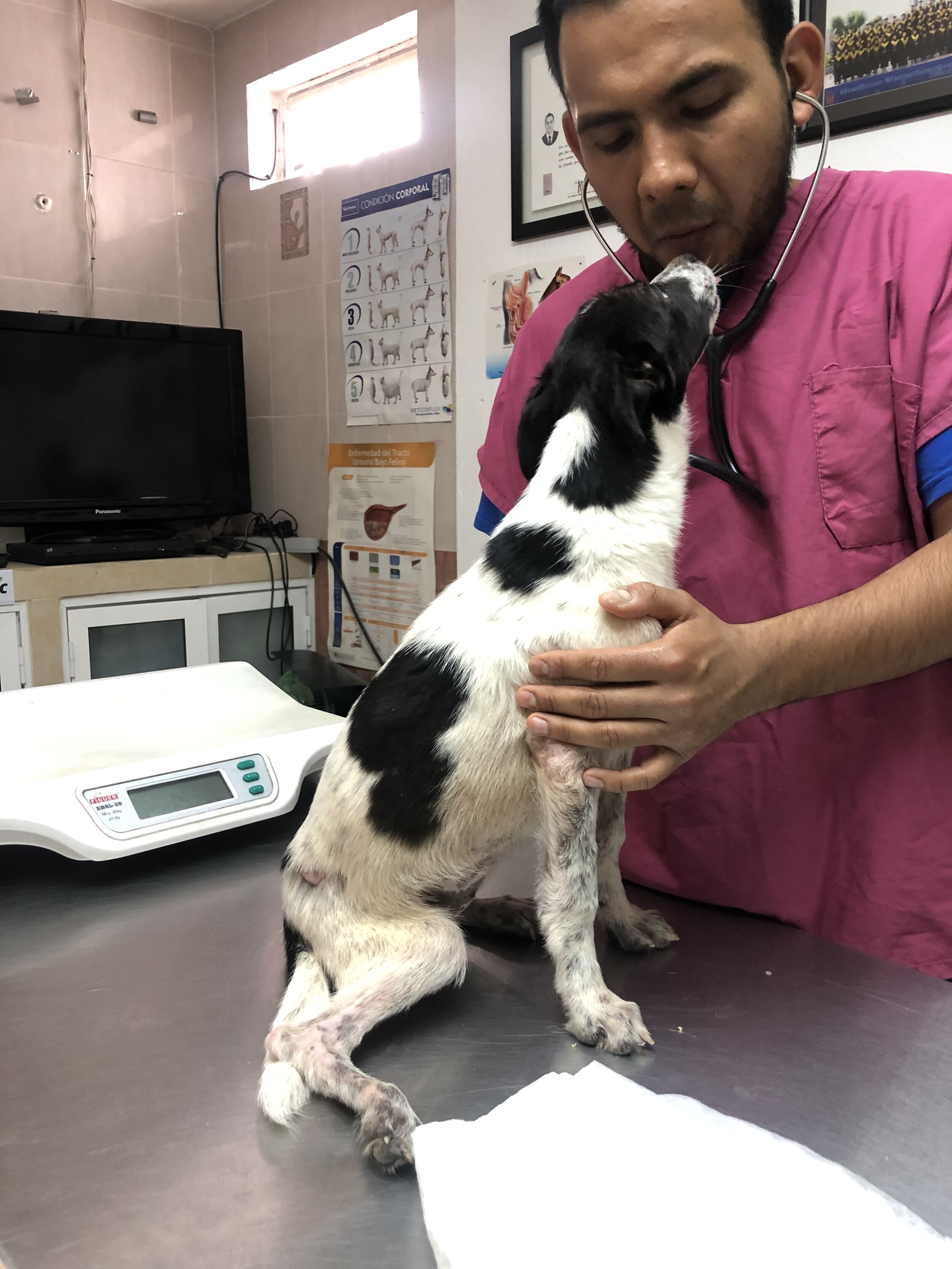
Dr. Marcos treating a new street dog, Pepeita

A local street dog seeking affection
Most important is free spay and neuter clinics. We will never make a difference until we help spay and neuter the animals—and the locals are desperate to do so! They will wait 8 hours in long lines just to get their dogs fixed. It’s truly touching. It takes over 40 volunteers to run these clinics. We fixed 101 animals in one day but had to turn away over 100 people at the door who have MULTIPLE animals in the home.
The second most crucial need is controlling the street dog population by spaying FEMALES on the streets who are more “feral” and unable to come to free clinics since they are not owned dogs.

A street dog with mange
Third, feral street dogs need food and medication. The amazing local volunteers go out daily and feed about 40 dogs each time! While they are feeding the dogs, they will also administer the flea meds by hiding it in hotdogs that are given along with regular food. Life is already rough on the streets and without medication, the dogs are covered in fleas and will chew on themselves until their hair falls out (flea dermatitis).
Last, adoptable dogs need support to find their forever homes. Sick or injured rescued street dogs who are being treated before they can go up for adoption need an isolation/quarantine area, as well as vaccinations and spay or neutering. Without support, hurt or injured dogs who are otherwise adoptable end up left on the streets to die.
With the memory of these amazing people and dogs still fresh in my mind, we got to work on the MexiMutt Project, with a goal of fundraising and advocating on behalf of the street dogs in Jalisco. Through MexiMutt, BAPBR plans to fund 4 spay and neuter clinics per year for the local family dogs, provide food, medication, and sterilization for the feral dog population, and cover medical and transportation needs for street dogs that can be adopted locally or in the United States. Learn more about our program here.
We have been helping more dogs than we ever have before since we opened our doors in 2007. This year alone, we have helped over 75 dogs in Oregon find placement through adoptions or transfers through our partner shelters. And with the support of generous donations, in just the past 2 months alone, we have directly helped 56 dogs in Mexico.
How you can support MexiMutt:
Become a monthly recurring donor, no donation is too small.
Have a birthday coming up? Use Facebook to start a birthday fundraiser on behalf of BAPBR!
Share and tell others about The MexiMutt Project.
Your generosity will make a huge impact on the people and dogs of this rural community. Every penny counts. No donation is too small. We're grateful to you and appreciate your support in achieving our mission of making the world a kinder place for the animals.

BAPBR Success Story: Life with Moe
After losing our dog earlier in the year, we decided that when it was time to rescue again we wanted to find a dog from a smaller community with fewer people able to adopt pets. We found BAPBR and Dogs of Del Norte County on Facebook. After spending weeks looking at potential new furry family members, we decided to travel from Portland to California to meet Mo, a smiley and soulful pit/boxer mix who had been featured as a shelter favorite.

Moe and his new family.
How did you meet Mo?
After losing our dog earlier in the year, we decided that when it was time to rescue again we wanted to find a dog from a smaller community with fewer people able to adopt pets. We found BAPBR and Dogs of Del Norte County on Facebook. After spending weeks looking at potential new furry family members, we decided to travel from Portland to California to meet Mo, a smiley and soulful pit/boxer mix who had been featured as a shelter favorite.
Was it love at first sight?
When we arrived at the shelter, it didn't go exactly as planned. Mo was a sweet boy, but it was a rough environment to get to know a dog in. He was distracted by everything, he was not great on a leash, and he wasn’t super engaged with us. But we did have a few nice moments with him that helped us make the decision to bring him home. When Mo was so excited to see us the next day and we really felt that he was the right dog for us. After the six hour drive home, Mo walked in the house, headed over to his brand new bed and promptly fell asleep. We all knew he was home.


How is Mo adjusting to his new life?
Mo is sweet, silly, eager to please, super relaxed, and loves to follow us around and give kisses. We didn't expect that he would be this good so early on, but it’s evident that Mo knows he's home and could not be more grateful. He loves being spoiled with toys, treats, soft places to sleep, his daily walks, trips in the car, and of course, mealtime! Most of all, he loves us unconditionally and the three of us have bonded so much in the last couple of months. We are so grateful that Mo is a part of our family thanks to BAPBR and Dogs of Del Norte County. It is already impossible to imagine our lives without him.
Congratulations on finding your forever family, Moe! Interested in finding your furry best friend? Check our adoptable dogs.
2017 Impact
Thank you to our community for supporting the work of Born Again Pit Bull Rescue in 2017!

Supporting Small and Rural Shelters through BAPBR’s Pit Stop & Adopt Program
Across the U.S. every year, approximately 3.3 million dogs will enter a shelter and over half a million adoptable dogs will be euthanized—with a majority of them being pit-bull-type dogs. Shelters and rescues are left struggling to house, care-for and place as many dogs as they can, often with restricted budgets and resources. This burden can be especially difficult for small and rural shelters that have limited staff and see little foot traffic, resulting in long kennel stays for homeless dogs. With our Pit Stop & Adopt program, Born Again Pit Bull Rescue works across the Pacific Northwest to increase the chances of finding the perfect forever home for these often overlooked dogs.

Clyde enjoys his new Kuranda bed, donated by BAPBR volunteers.
Across the U.S. every year, approximately 3.3 million dogs will enter a shelter and over half a million adoptable dogs will be euthanized—with a majority of them being pit-bull-type dogs. Shelters and rescues are left struggling to house, care-for and place as many dogs as they can, often with restricted budgets and resources. This burden can be especially difficult for small and rural shelters that have limited staff and see little foot traffic, resulting in long kennel stays for homeless dogs. With our Pit Stop & Adopt program, Born Again Pit Bull Rescue works across the Pacific Northwest to increase the chances of finding the perfect forever home for these often overlooked dogs.
Through Pit Stop & Adopt, we visit the shelters as often as possible to meet adoptable dogs, gathering information and photos to promote and network them through social media and community events. This work, in addition to outreach on behalf of our community members, has helped more than 23 dogs find homes this year (353 since the organization began in 2007). We focus on those dogs that have been waiting for a home the longest, as the needs are more urgent and the stress of kennel life can be difficult for many dogs.
In 2017, our team was delighted to place three long term shelter dogs into loving forever homes; Max and Jane waited for over two years at the Del Norte County Animal Control shelter, and sweet Franklin, whose life had been far too rough prior to his shelter stay, waited for over two years at the Tillamook Animal Shelter.

BAPBR volunteers photograph Franklin, a long-time Tillamook Animal Shelter resident.
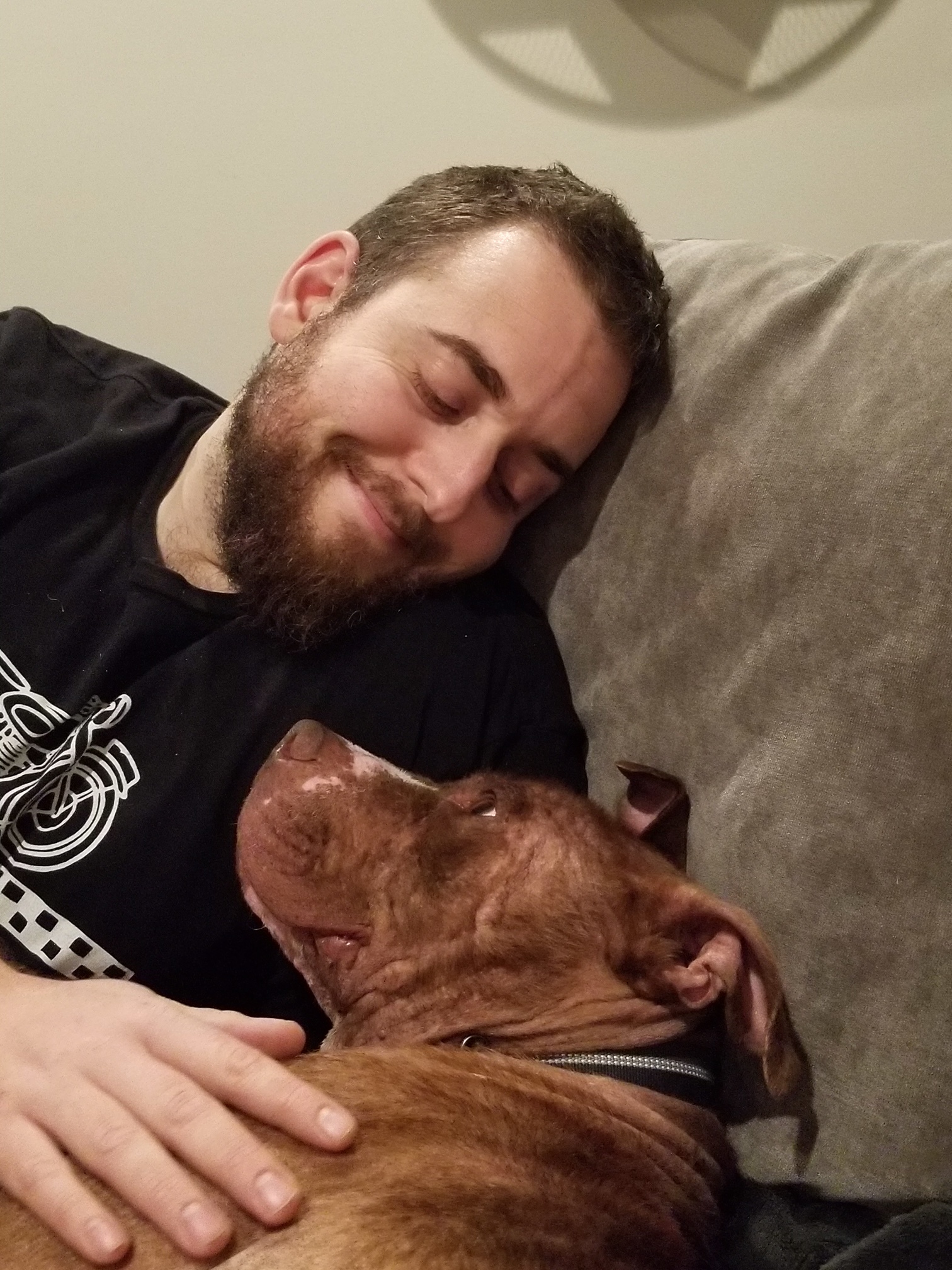
Franklin snuggles up at home with his new dad, Nick.

After waiting for over two years at the Del Norte County Animal Control shelter, Jane is ready to go home with her new mom.

Max finally went home this summer after spending over two years waiting in a kennel at the Del Norte County Animal shelter.
BAPBR's Pit Stop & Adopt program also provides food, supplies, pre and post adoption assistance and volunteer help to small and rural shelters in need of additional support. Many rural shelters survive on the work of minimal staff and volunteers—they compete for community funds or small city budgets to cover basic needs, making it difficult for them to provide the animals anything beyond basic care. BAPBR establishes relationships with our partner shelters to better understand their unique needs and priorities and to improve the quality of life for the dogs in their care when possible.
In January, BAPBR volunteers delivered a truck loaded with food, toys and supplies to the Del Norte County Animal Control shelter, who had been experiencing food shortages that month. Earlier this October, our team purchased, assembled and delivered twelve Kuranda beds to Tillamook Animal Shelter, giving the shelter's dogs some extra comfort just in time for winter.

BAPBR volunteers load up a truck full of food, toys and supplies for the Del Norte Animal Control shelter.

BAPBR volunteers deliver new Kuranda beds to the dogs at Tillamook Animal Shelter.
“Del Norte Animal Control LOVES Born Again Pit Bull Rescue! We are a small, county-run facility in Crescent City, CA with very little foot traffic and a limited pool of potential adopters. At any given time, at least half of our dogs are pit bull blends. BAPBR has helped us in so many ways! Not only do they help by networking our dogs to potential adopters in Oregon, they regularly visit our facility, take fantastic photos and videos of our adoptable dogs, and conduct home checks for potential adopters in Oregon. We have had several successful adoptions to Oregon as a direct result of BAPBR's efforts and assistance. They have donated toys, treats, and their time and expertise; shared information, ideas, and educational materials; and offered moral support!” -- Shelly & Liz, Del Norte Animal Control
Thanks to our volunteers, donors and community partners for helping us provide this vital assistance to small and rural shelters in need. BAPBR is looking forward to supporting partner shelters and placing more dogs into loving homes in 2018, but we can't do it without your help. Whether you're interested in volunteering or donating, your contributions are vital to our mission.
Partner Shelter Spotlight: The Dogs of Del Norte
Through our Pit Stop & Adopt program, Born Again Pit Bull Rescue partners with small and rural shelters across the Pacific Northwest, including the Del Norte Animal Control shelter, to provide food, supplies, pre and post adoption assistance and volunteer support. Like many municipal shelters and rural rescues, the staff and volunteers at the Del Norte shelter struggle with low budgets and high occupancy, and often times they look to their community to help meet the needs of the animals in their care. Starting in mid-November and running through the end of the year, BAPBR is coordinating a food drive on behalf of the dogs of Del Norte, asking our fans and community to help us raise $1,300 to purchase a four month supply of high-quality food for the shelter. All donations are tax deductable and we welcome any contributions; learn more, track our progress and donate at our food drive page.
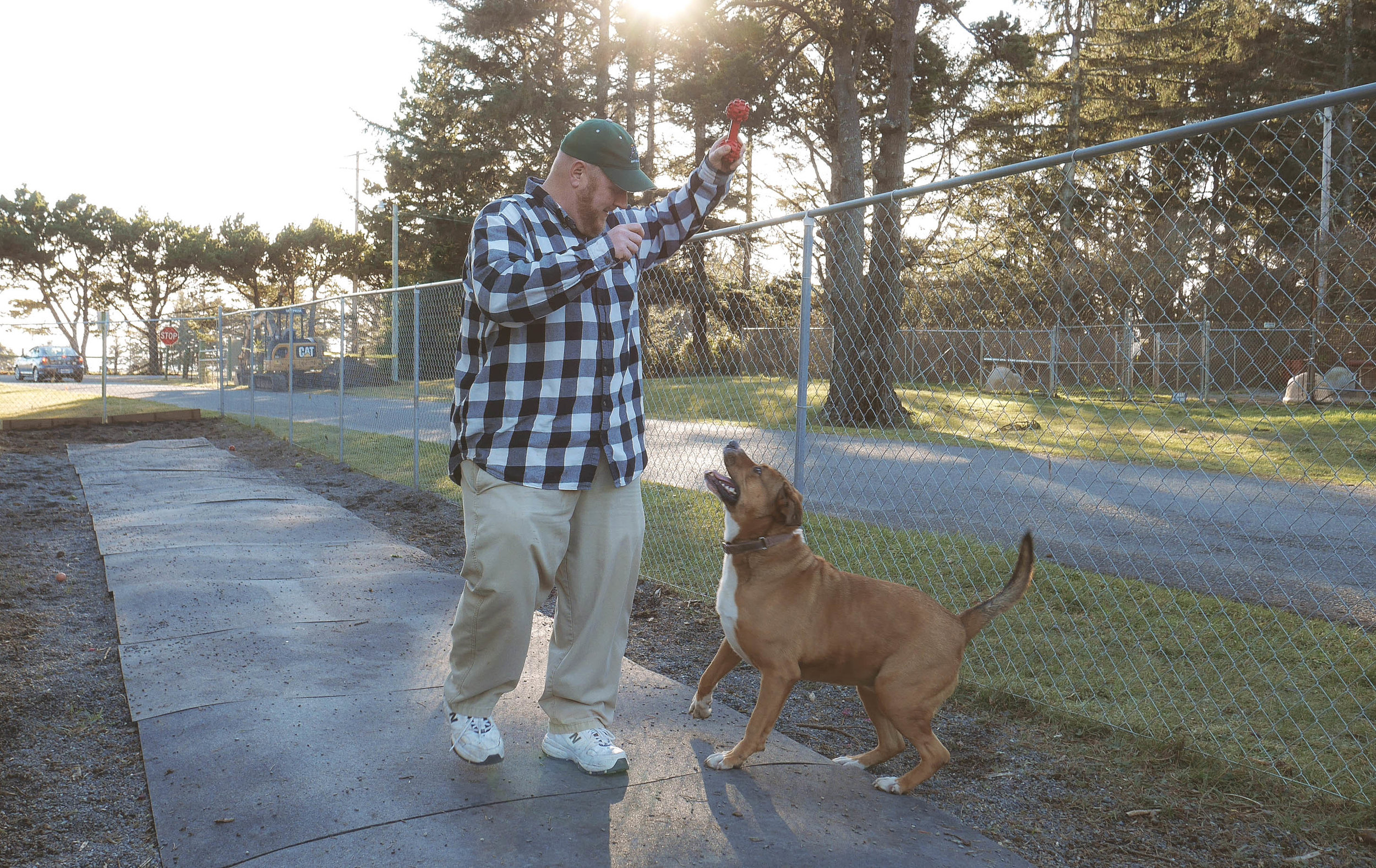
Justin Riggs, Del Norte Animal Control Shelter Manager, plays with Mandy in the dog run made possible by community donations and volunteers.
Through our Pit Stop & Adopt program, Born Again Pit Bull Rescue partners with small and rural shelters across the Pacific Northwest, including the Del Norte Animal Control shelter, to provide food, supplies, pre and post adoption assistance and volunteer support. Like many municipal shelters and rural rescues, the staff and volunteers at the Del Norte shelter struggle with low budgets and high occupancy, and often times they look to their community to help meet the needs of the animals in their care. Starting in mid-November and running through the end of the year, BAPBR is coordinating a food drive on behalf of the dogs of Del Norte, asking our fans and community to help us raise $1,300 to purchase a four month supply of high-quality food for the shelter. All donations are tax deductable and we welcome any contributions; learn more, track our progress and donate at our food drive page.
The Del Norte County Animal Control shelter is located in Crescent City, California—a small coastal town on the Oregon/California border. Essentially a city dog pound, the shelter is operated by the Animal Control Division of the County of Del Norte. The department spreads their limited budget over several functions, including operating the shelter, maintaining dog license and vaccination records, impounding stray dogs and large animals, investigating dog bites and quarantining biting dogs, investigating loose or nuisance large animal complaints, enforcing other state laws and regulations concerning animal care and keep, investigating violations of humane laws and picking up injured domestic animals. When fully staffed, the department relies on two full time and two part time employees to carry out all of these functions, allowing very little time or budget for anything beyond basic daily care of the animals in the shelter. What small budget is allocated to the shelter must cover operation costs and employee salaries, ground and building maintenance, veterinary care, spay and neuter services, food, toys and supplies.

One of Del Norte County Animal Control shelter's several high quality 10’x10’ kennels donated by volunteers.
Faced with small budgets and ever-expanding needs, the staff and volunteers at Del Norte get creative to rescue and re-home as many dogs as possible and often struggle to support large dog populations with few resources. The shelter's primary building, which is aging and facing serious maintenance issues, houses 24 small (3x6 foot) concrete kennels plus an additional 8 kennels for isolation and quarantine. The kennels were originally built to house dogs for only a few days while they were in a mandatory holding period, but when the shelter went no-kill in 2009 the kennels became long term residences for the area’s homeless dogs. The shelter has been over capacity for the past two years (they're housing 28 dogs currently along with another 9 in foster care) and relies heavily on a supportive community that provides donations and volunteers to address their most urgent needs. Thanks to contributions from the community, the shelter was able to add several outdoor kennels this year, providing a larger space with fresh air for dogs cooped up in the cramped indoor kennels. Donations also helped the shelter build a dog run to provide a place for exercise and play.
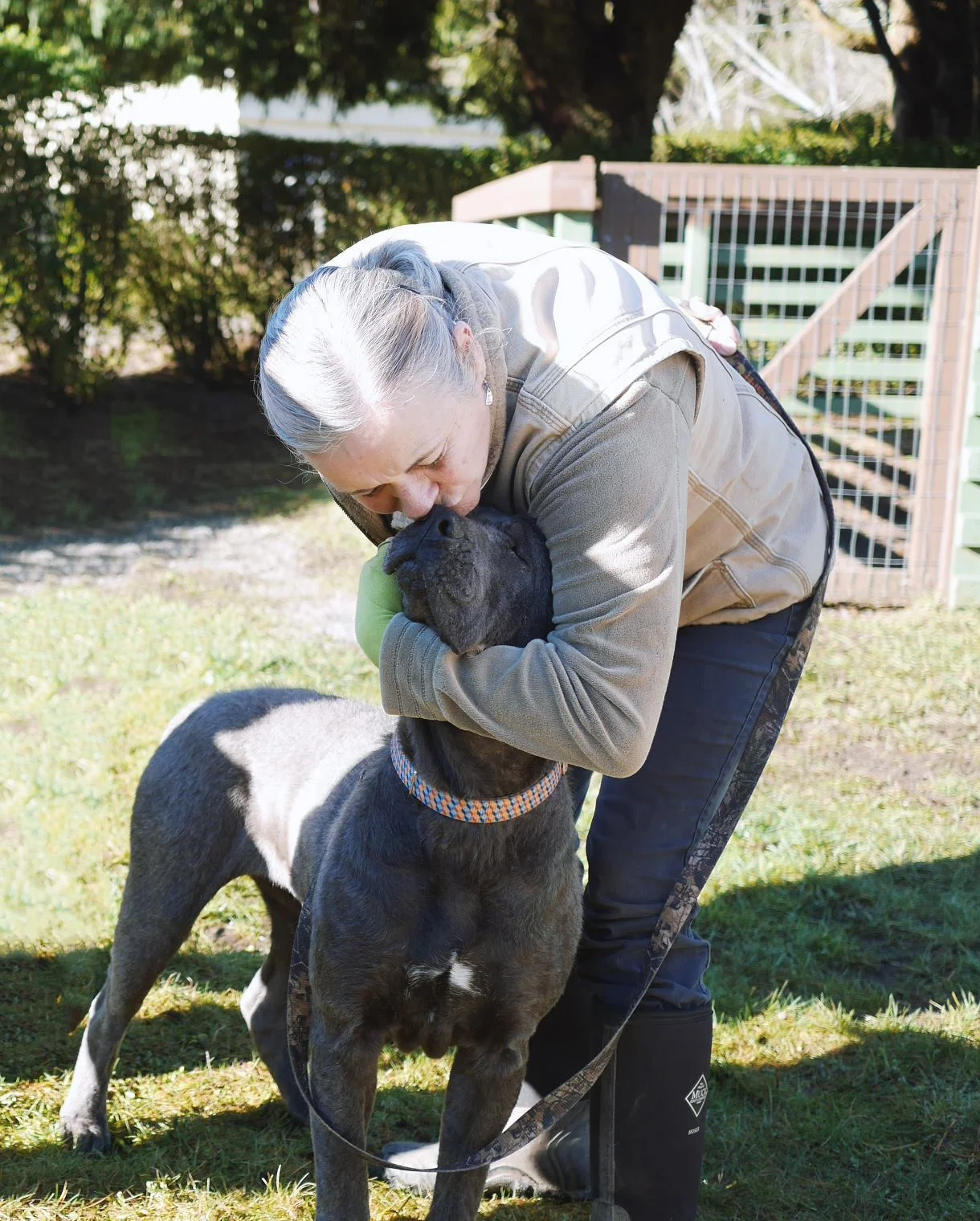
Del Norte Animal Control Shelter volunteer Sandy loves on Gracie, an abused and neglected dog in their care.
The incredible shelter volunteers dedicate their free time (weekends and holidays included) to make life a little better for neglected, abandoned, and sometimes severely abused dogs. According to Justin Riggs, Shelter Manager (he also serves as the Agricultural/Weights and Measures Inspector for the county), volunteers are critical to the operation of the shelter and the health and welfare of the animals it houses. "Our volunteers are the single most important factor in the dogs’ quality of life", says Justin. "We rely on about a dozen regular volunteers and a dozen less regular volunteers to keep our residents healthy and happy. Our volunteers advocate for the shelter, fundraise and some even sponsor a spay/neuter each month. They show up rain or shine and provide emergency foster when necessary. I can speak for all of my staff in saying that we never cease to be amazed by the commitment of the volunteers". Sandy, a volunteer who walks dogs five days a week at the shelter, spoke with a tear in her eye about how rewarding her work is and how deeply she cares for these dogs that deserve a better life.
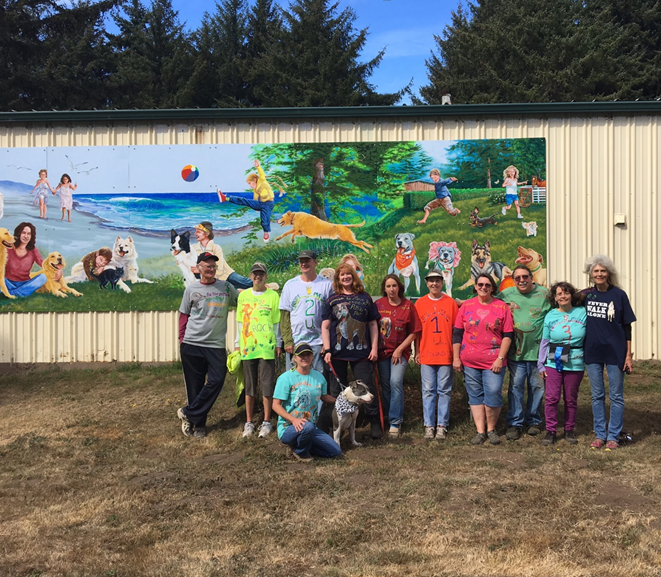
Many of the shelter's regular volunteers pose in front of a beautiful mural added to the side of their kennel building in 2015. The mural was paid for by donations and honors the volunteers and some of the dogs that have been adopted from the shelter.
Del Norte County is small and rural—the current population is still under 30,000 people and nearly 22% of that population lives below the poverty line, a number that is almost double the national average of 14%. While community support of the shelter is one of the most effective ways Justin and his team can get the extra care and enrichment for the dogs they desperately need, they are challenged by the area's economic depression and struggle to find quality adopters.
Small and rural shelters like Del Norte need exposure and support from a broader audience of animal lovers. They welcome visitors and are committed to placing the right dogs with the right family. If you're considering adoption, the folks at Del Norte have a wide variety of wonderful dogs looking for homes to call their own and they're ready to help match you to the right one. Have specific questions about the dogs at the shelter or the adoption process? Contact them directly by phone (707) 464-7235 or email delnortedogs@gmail.com. You can also follow them on Facebook.